






During the Renaissance period, hairstyles were more than just a fashion statement; they were a reflection of social status and personal identity. The way individuals styled their hair was influenced by their marital status, societal norms, and the evolving trends of the time. As fashion became more intricate and elaborate, hairstyles followed suit, becoming an essential component of Renaissance fashion.
Women's Hairstyles: Marital Status and Fashion
Women's hairstyles during the Renaissance were
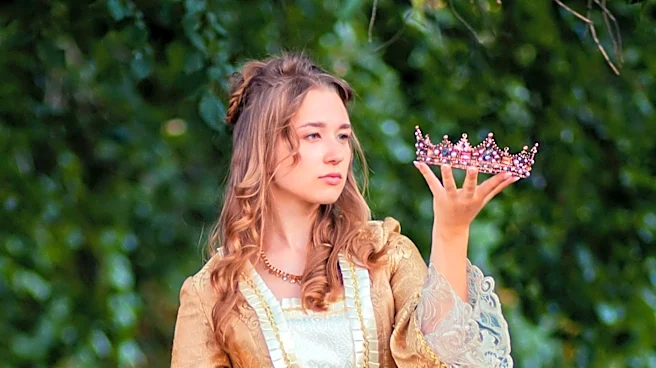
closely tied to their marital status. Single women typically wore their hair down in loose curls, symbolizing their availability and youth. Once married, women would begin wearing their hair up in tight braids, signifying their new status and commitment. This transition in hairstyle was not only a personal choice but also a societal expectation, reflecting the importance of marital status in Renaissance society.
In addition to braids, women adorned their hair with various accessories, such as the lenza, a leather cord worn around the head to keep hair flat, and the trinzale, a sheer hairnet sometimes beaded. These accessories added an extra layer of sophistication to women's hairstyles, complementing the elaborate clothing styles of the period. The use of ribbons and netting further enhanced the appearance of braids, making them a focal point of Renaissance fashion.
Men's Hairstyles: Fashion-Forward Trends
Men's hairstyles during the Renaissance also evolved to reflect the changing fashion trends of the time. Clean-shaven faces and straight or crimped bobs became popular, with men paying more attention to their appearance. The widespread use of mirrors during the Renaissance increased interest in self-image, leading men to adopt more fashion-forward hairstyles.
The bonnet, a small, round or squared, brimless cap, was a popular accessory for men, often worn by Venetians. Variations in the bonnet's style were visible among different social classes and professions, with church officials and university professors wearing caps with four corners or the sign of the cross. The flat cap or beret was another fashionable choice, often worn over a velvet coif or gold cord net.
The Cultural Significance of Hairstyles
Hairstyles during the Renaissance were not just about fashion; they held cultural significance and reflected societal norms. The way individuals styled their hair was a reflection of their social status, personal identity, and adherence to societal expectations. As fashion became more elaborate, hairstyles followed suit, becoming an essential component of Renaissance fashion.
The evolution of hairstyles during the Renaissance period highlights the changing attitudes towards fashion and self-expression. As individuals became more conscious of their appearance, hairstyles became a reflection of their status and identity, showcasing the cultural significance of fashion during this transformative era.