









The gluteus maximus is not only the largest muscle in the human body but also a key player in our evolutionary history and cultural expressions. This article explores how the gluteus maximus has shaped human evolution and its representation in art and culture.
Evolutionary Significance
The gluteus maximus is a defining feature of the human muscular system, particularly noted for its role in maintaining an erect posture. Unlike other primates, humans have a prominent gluteus maximus that
supports the trunk in an upright position. This adaptation is crucial for bipedal locomotion, allowing humans to stand and move efficiently on two legs.
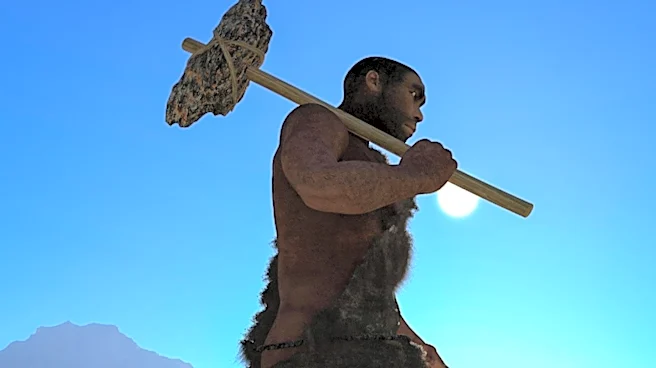
In comparison to chimpanzees, the human gluteus maximus is approximately 1.6 times larger relative to body mass. This enlargement is not primarily for walking, as the muscle shows minimal activity during this activity. Instead, it is more active during running, where it helps control trunk flexion and aids in hip extension. These functions suggest that the muscle's size and position were selected for their role in running and dynamic movements, which were vital for early human survival.
Cultural Representations
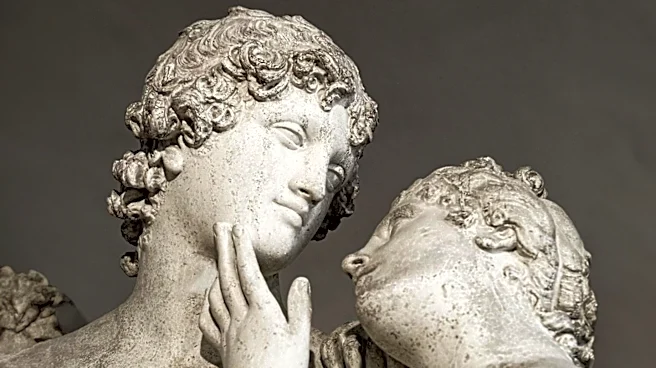
Culturally, the gluteus maximus has been a symbol of health, strength, and aesthetic appeal. Throughout history, it has been depicted in various forms of art, from ancient Greek sculptures to modern-day representations. These depictions often emphasize the muscle's prominence and its association with physical prowess.
In ancient Greek art, athletes and warriors were frequently portrayed with well-defined gluteal muscles, highlighting their strength and agility. This tradition continues in contemporary culture, where the gluteus maximus is often celebrated in fitness and bodybuilding communities. The muscle's aesthetic appeal is also evident in fashion and media, where it is often accentuated to convey beauty and vitality.
The Gluteus Maximus in Modern Society
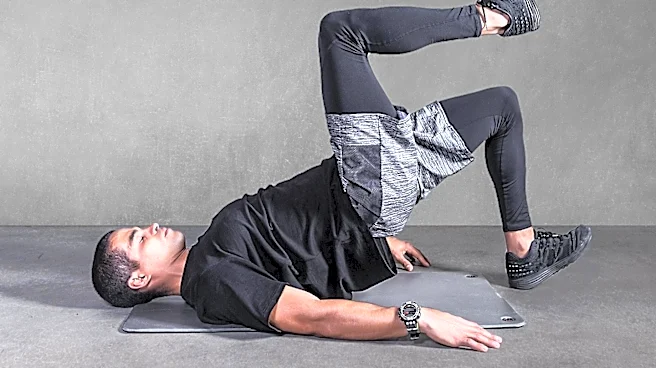
Today, the gluteus maximus remains a focal point in fitness and health. Exercises targeting this muscle, such as squats and lunges, are popular for their ability to enhance strength and improve body composition. The muscle's role in athletic performance is also well-recognized, with athletes training to maximize its power and endurance.
In conclusion, the gluteus maximus is more than just a muscle; it is a testament to human evolution and a cultural icon. Its significance extends beyond its anatomical functions, influencing how we perceive strength, beauty, and movement in society.