





The samosa, a beloved savory pastry, is renowned not only for its widespread popularity but also for its incredible versatility in terms of fillings, shapes, and preparation methods. While the core concept of a savory-filled pastry remains consistent, the specific ingredients used, the way the dough is shaped, and whether it is fried or baked can vary dramatically from one region to another. This adaptability has allowed the samosa to become a staple
snack and dish in diverse culinary traditions across Central Asia, the Middle East, Africa, and the Indian subcontinent.
A Spectrum of Savory Fillings
At its heart, a samosa is defined by its savory filling, and the range of ingredients used is extensive. The most common and iconic filling, particularly in the Indian subcontinent, features spiced potatoes and peas. This often includes diced or mashed boiled potatoes, onions, green peas, lentils, ginger, a blend of spices, and green chilies. However, the possibilities extend far beyond this classic combination. Many variations incorporate minced meats such as lamb, beef, or chicken, sometimes mixed with pine nuts for added texture and flavor. In some regions, cheese is a popular filling, while others use ingredients like macaroni or noodles.
Vegetable-based fillings are also incredibly diverse. Beyond potatoes and peas, ingredients like spinach dock, za’atar, and various other vegetables are used. For instance, the Bengali *shingara* often includes pieces of potatoes, vegetables, and nuts, and sometimes even raisins. In Maldivian *bajiyaa*, the filling features fish, typically tuna, combined with onions. The Middle Eastern *sambousek* can be filled with meat, onion, pine nuts, za’atar, spinach dock, or cheese, showcasing a broad spectrum of flavors and textures. This wide array of fillings ensures that there is a samosa to suit almost any palate.
Diverse Forms and Dough Preparations
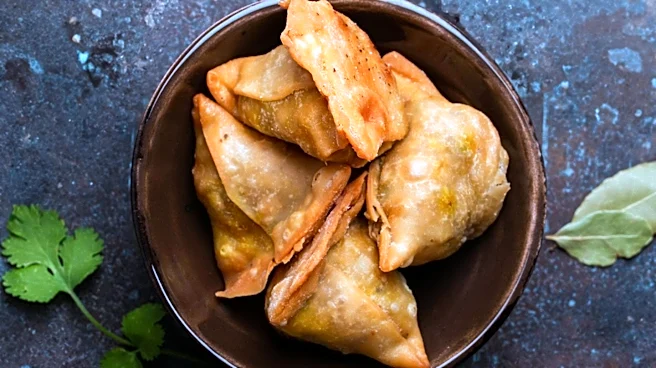
The shape and dough of a samosa also exhibit significant regional differences. While the classic image of a samosa is often a triangular pastry, other forms are prevalent. In Bangladesh, both flat (triangular) and full-shaped (tetrahedron or triangular pyramid) samosas are popular. The Bengali *shingara*, for example, is a full-shaped version, typically smaller than the standard variety found elsewhere. In Nepal, the term *singadas* is used in the eastern part of the country for samosas shaped like a water caltrop, while other regions simply call them samosas.
The dough itself can vary. In the Indian subcontinent, an all-purpose flour known as *maida* is commonly used to create the pastry. In contrast, Central Asian *samsas* can be made with either a simple bread dough or a layered pastry dough, contributing to different textures. The *kaghazi samosa* from Karachi, Pakistan, is notable for its "paper-thin" and crispy covering, which resembles a wonton or spring roll wrapper, highlighting how the dough can be manipulated to achieve distinct culinary experiences. The Sephardic *sambusak* tends to have a thicker dough, while the Mizrahi version is generally thinner.
Frying, Baking, and Serving Traditions
The method of cooking is another key differentiator in samosa preparation. In the Indian subcontinent, samosas are almost universally deep-fried in vegetable oil until they achieve a golden-brown color. They are typically served hot, often as a street food, accompanied by fresh chutneys, such as mint sauce or raita. This deep-frying method results in a crispy exterior that contrasts with the soft, flavorful interior.
However, in Central Asian cuisines, such as those of Uzbekistan, Kazakhstan, Kyrgyzstan, Tajikistan, Turkmenistan, Turkey, Iran, and the Xinjiang Uygur Autonomous Region of China, the *samsa* is almost always baked. These are frequently prepared in a *tandoor* oven, a special clay oven, which imparts a distinct flavor and texture different from fried versions. Tajik *sambusa-i varaki* are also baked in a tandoor. This baking tradition offers a healthier alternative and a different textural experience, often resulting in a flakier or bread-like crust. Despite these differences, the samosa, whether fried or baked, remains a cherished snack, often enjoyed hot and sometimes accompanied by various sauces or as part of a larger meal, demonstrating its enduring appeal across diverse culinary landscapes.