








Brioche, a French pastry renowned for its rich and tender crumb, boasts a history that stretches back centuries. This viennoiserie, characterized by its high egg and butter content, has evolved from a simple bread to a versatile culinary staple. Its journey reflects changes in baking techniques, ingredient availability, and societal preferences, making it a fascinating subject for those interested in the history of food.
Early Origins and Etymology
The first recorded use of the
word "brioche" in French dates back to 1404. By 1611, it was described in Cotgrave's *A Dictionarie of the French and English Tongues* as "a rowle, or bunne, of spiced bread," with its origin noted as Norman. The etymology of the word itself has been a subject of debate, but it is now widely accepted to be derived from the Old French verb *brier*, a Norman dialectal form of *broyer*, meaning to work the dough with a *broye* or *brie* (a type of wooden roller used for kneading). The suffix *-oche* is a generic deverbal suffix. This suggests a connection to *pain brié*, a Norman bread with a dense dough that was traditionally worked with such an instrument. The root of the word, *bhreg* ('to break'), is of Germanic origin.
In France, brioche developed from "a sort of bread improved since antiquity by generations of bakers, then of pastry-makers." Initially, it incorporated butter and eggs, with sugar being added later. It is believed to have evolved from the *pain bénit* (blessed bread) of the church, which gradually improved in quality, becoming more costly and less like ordinary bread, eventually transforming into the savory brioche we know today. The terms *pain bénit* and brioche were sometimes used interchangeably in the 17th century, indicating a close relationship between the two.
The Rise of Butter and Regional Variations
The 17th century saw the introduction of "pâté à tarte briochée" and a "pain à brioche pauvre" (poor brioche bread) that used only three eggs and 250 grams of butter for one kilogram of flour. More elaborate versions also existed, such as one described in a 17th-century recipe that called for three pounds of butter, two kinds of cheese, and a royal pint of eggs for the same amount of flour, along with good milk if the dough was too firm. Sourdough and brewer's yeast preparations remained common well into the 18th century, with blessed bread increasingly being replaced by brioche.
For the wealthy, from the time of Louis XIV onwards, butter became the secret to making brioches, especially in the northern half of France where it was widely used. Towns like Gisors and Gournay, known for their butter markets, were highly regarded for their brioches. In Gisors, on market days, up to 250 or 300 kilograms of brioches were produced. The dough was prepared the evening before, using flour, a quarter of which was for the starter, yeast, and several eggs, mixed with butter. This method ensured the brioche remained light, kept well, and maintained the flavor of butter without the stench of the starter. This historical context highlights the importance of regional ingredients and techniques in shaping the development of brioche.
Cultural Impact and Modern Interpretations
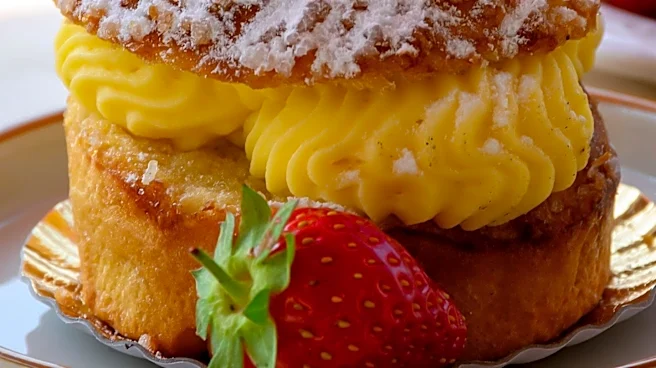
Brioche has also found its way into cultural anecdotes. Jean-Jacques Rousseau, in his autobiography *Confessions*, recounts that "a great princess" advised, regarding peasants who had no bread, "Qu'ils mangent de la brioche," commonly translated as "Let them eat cake." This saying is often mistakenly attributed to Queen Marie-Antoinette. This anecdote, regardless of its true origin, underscores the perception of brioche as a luxury item, distinct from everyday bread. Today, brioche is a versatile pastry, enjoyed plain, with sweet fillings like fruit or jam, or as a base for savory dishes such as hamburgers or coulibiac. Its rich history and adaptability have cemented its place in French cuisine and beyond.