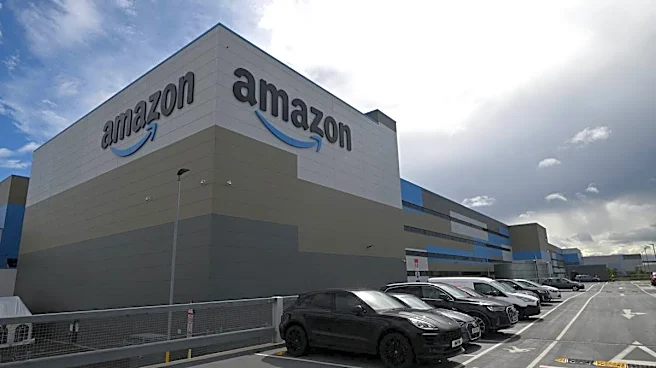











Amazon's journey from an online bookstore to a global technology giant is a testament to its strategic expansion and diversification. Initially focused on selling books, Amazon quickly broadened its product offerings, earning the nickname "the everything store." This article explores how Amazon expanded beyond books, the strategic decisions that fueled its growth, and the impact of its diversification on the retail landscape.
The Initial Expansion
After establishing itself
as a leading online bookstore, Amazon began exploring other product categories. Jeff Bezos, the company's founder, had initially created a list of 20 products that could be marketed online, eventually narrowing it down to five promising categories: compact discs, computer hardware, computer software, videos, and books. This strategic selection was based on factors such as global demand, low unit prices, and the vast number of available titles.
Amazon's expansion into these categories was a calculated move to leverage its existing infrastructure and customer base. By offering a wider range of products, Amazon aimed to increase its market share and customer loyalty. This strategy proved successful, as the company quickly became known for its vast selection and competitive prices.
Diversification and Subsidiaries
As Amazon continued to grow, it diversified its business through the acquisition of various subsidiaries. These included Amazon Web Services (cloud computing), Zoox (autonomous vehicles), Kuiper Systems (satellite Internet), and Amazon Lab126 (computer hardware and technology R&D). Other notable acquisitions included Ring, Twitch, IMDb, MGM Holdings, and Whole Foods Market.
Each acquisition was strategically aligned with Amazon's long-term goals, allowing the company to enter new markets and enhance its technological capabilities. For example, the acquisition of Whole Foods Market in 2017 marked Amazon's entry into the grocery sector, challenging traditional brick-and-mortar retailers like Walmart. This move was seen as a way to strengthen Amazon's physical presence and diversify its revenue streams.
The Impact of Becoming 'The Everything Store'
Amazon's transformation into "the everything store" has had a profound impact on the retail industry. By offering a vast array of products and services, Amazon has set new standards for convenience, selection, and pricing. This has forced traditional retailers to adapt and innovate to remain competitive.
The company's focus on customer experience, fast shipping, and competitive pricing has made it a preferred choice for millions of consumers worldwide. Amazon's success has also influenced other e-commerce platforms, encouraging them to expand their product offerings and improve their services.
In conclusion, Amazon's strategic expansion beyond books has been a key factor in its rise to prominence. By diversifying its product offerings and acquiring complementary businesses, Amazon has solidified its position as a leader in the global retail market. Its journey from a simple online bookstore to a comprehensive marketplace continues to shape the future of e-commerce.




![The Best Fourth of July Sales to Shop Online, From Abercrombie to Zara [Updating]](https://glance-mob.glance-cdn.com/public/cardpress/binge-magazine-card-generation/spaces/US/en/rolling-stone/images/ppid_5c1616a5-image-178306105174449851.webp)