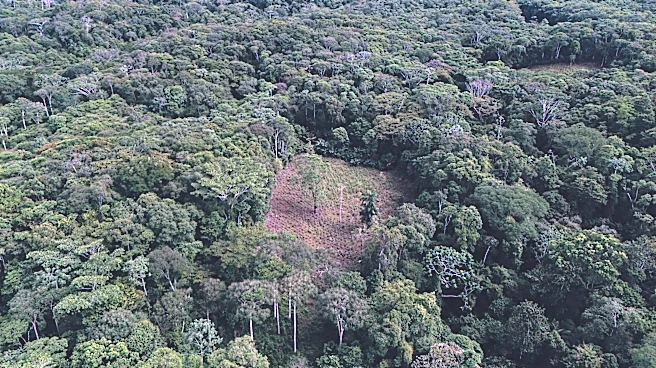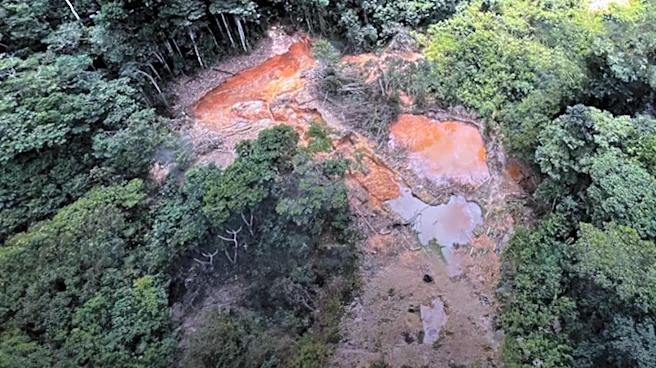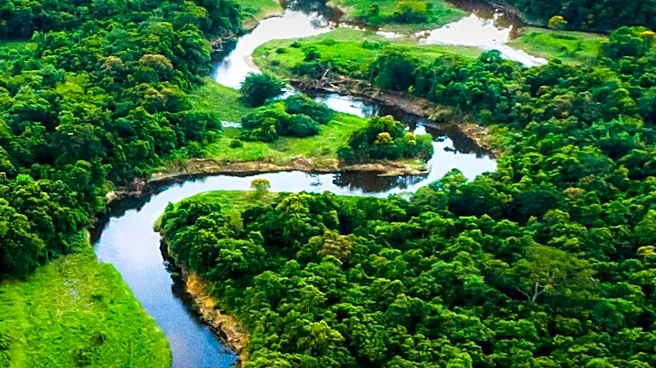









The Amazon rainforest stands as an unparalleled natural wonder, recognized as the largest and most species-rich tract of tropical rainforest on Earth. This immense ecosystem spans across a vast area of 5,500,000 square kilometers (2,100,000 square miles) in South America, making it a critical component of global biodiversity and climate regulation. Its sheer scale and the incredible variety of life it supports underscore its importance not just to
the continent, but to the entire planet.
A Continent-Spanning Ecosystem
The geographical reach of the Amazon rainforest is truly remarkable, extending across nine distinct nations. These countries include Bolivia, Brazil, Colombia, Ecuador, French Guiana (which is part of France), Guyana, Peru, Suriname, and Venezuela. This multinational presence highlights the complex political and ecological challenges associated with its conservation and management. The rainforest does not adhere to human-drawn borders, functioning as a single, interconnected biological entity.While many nations share a piece of this natural treasure, the distribution of the rainforest is not even. Brazil holds the largest portion, encompassing a significant 60% of the entire Amazon rainforest. Following Brazil, Peru contains 13% of the rainforest, and Colombia accounts for 10%. The remaining nations, including Bolivia, Ecuador, French Guiana, Guyana, Suriname, and Venezuela, each possess smaller, though still vital, segments of this expansive forest. This distribution means that Brazil plays a particularly crucial role in the overall health and future of the Amazon.
Unrivaled Biodiversity and Global Impact
The Amazon rainforest is not just vast in size; it is also extraordinarily rich in life. It harbors over half of the planet's total rainforest area, making it a unique reservoir of biodiversity. This immense biological wealth includes an astonishing number of plant species, many of which are highly valued and globally recognized. Examples of these include rosewood, mahogany, and ebony, which are known for their distinct characteristics and uses.The sheer volume of species found within the Amazon makes it a focal point for scientific study and conservation efforts worldwide. The intricate web of life, from microscopic organisms to towering trees and diverse animal populations, creates a complex and delicate balance. The health of this ecosystem has far-reaching implications, influencing global weather patterns, carbon cycles, and the overall stability of Earth's climate. Protecting the Amazon rainforest is therefore not just a regional concern, but a global imperative for maintaining ecological balance and supporting life on Earth.