






As the world moves towards renewable energy and smart grid initiatives, vehicle-to-grid (V2G) technology emerges as a key player in this transition. By allowing electric vehicles to interact with the power grid, V2G systems offer a sustainable solution for energy storage and management. This technology not only helps balance energy supply and demand but also supports the integration of renewable energy sources.
Renewable Energy Storage
One of the primary benefits of vehicle-to-grid
technology is its ability to store renewable energy. Electric vehicles, equipped with large battery modules, can act as mobile energy storage units. This capability is particularly valuable in regions with high renewable energy adoption, where excess energy generated during peak production times can be stored in vehicle batteries and used later.
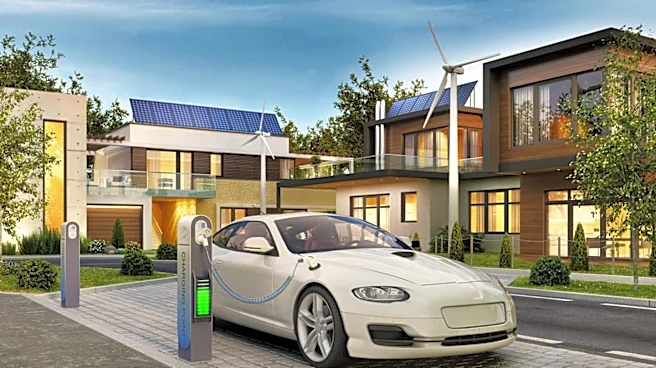
For example, vehicles charged using solar power during the day can supply energy to homes at night, reducing reliance on grid electricity. This application of V2G technology not only supports renewable energy integration but also offers a practical solution for managing energy supply and demand fluctuations.
Smart Grid Initiatives
Vehicle-to-grid technology is an integral part of smart grid initiatives, which aim to modernize the electrical grid with advanced communication and control systems. V2G systems enable real-time energy management, allowing for dynamic load leveling and demand response services. By interacting with smart meters, V2G technology can help stabilize grid voltage and frequency, ensuring reliable energy supply.
The integration of V2G into smart grid initiatives also supports the development of virtual power plants (VPPs), which aggregate distributed energy resources to function as a single power plant. VPPs can provide peak shaving and load-following services, further enhancing grid stability and efficiency.
Challenges and Opportunities
While vehicle-to-grid technology offers numerous benefits, it also faces challenges, particularly concerning battery longevity and the cost of specialized hardware. Frequent charge and discharge cycles can impact battery life, although advancements in battery technology are expected to mitigate these effects.
Despite these challenges, the opportunities for V2G technology are vast. As more electric vehicles enter the market, the role of V2G in energy management is likely to grow, offering a sustainable solution to balance energy supply and demand. By supporting renewable energy storage and smart grid initiatives, V2G technology is poised to play a significant role in the transition to a cleaner, more efficient energy future.