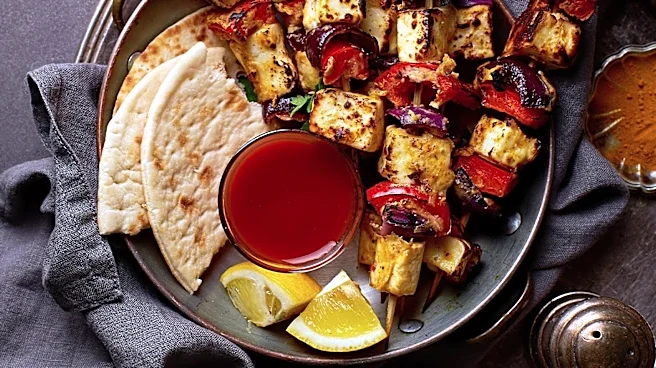






Shish kebab, a popular dish consisting of skewered and grilled cubes of meat, holds a prominent place in Middle Eastern culinary traditions. While the broader term "kebab" encompasses a wide range of meat dishes from the region, shish kebab specifically refers to this preparation method. In North American English, the word "kebab" often defaults to meaning shish kebab, highlighting its widespread recognition and popularity. This dish is a testament
to the enduring appeal of simple yet flavorful grilled meats.
Traditional Preparation and Ingredients
Traditionally, shish kebab is made with lamb, which is cut into cubes and then threaded onto skewers before being grilled. However, its versatility allows for variations using different kinds of meat, poultry, or fish, catering to diverse tastes and dietary preferences. The preparation often involves marinating the meat to enhance its flavor and tenderness, though the specific marinades can vary greatly by region and personal recipe.The essence of shish kebab lies in its direct grilling over an open flame or charcoal, which imparts a distinctive smoky flavor and a desirable char to the meat. This cooking method is ancient and has been perfected over centuries, making shish kebab a beloved dish that is both simple in concept and rich in taste. The cubes of meat are typically cooked until they are tender on the inside and slightly crispy on the outside, offering a satisfying textural contrast.
Cultural Significance and Global Reach
Shish kebab is more than just a meal; it is often associated with communal gatherings and celebrations in many cultures. Its presentation on skewers makes it an appealing and convenient dish for sharing. While its origins are firmly rooted in the Middle East, shish kebab has traveled across the globe, adapting to local ingredients and culinary styles along the way. This global spread has led to numerous regional interpretations, each adding its own unique twist to the classic skewered meat dish.Despite these variations, the core concept of cubed, skewered, and grilled meat remains consistent, making shish kebab instantly recognizable worldwide. It stands as a prime example of how a traditional dish can transcend geographical boundaries and become a universally appreciated food item. Whether enjoyed in its traditional lamb form or with other proteins, shish kebab continues to be a cherished and flavorful part of global cuisine.