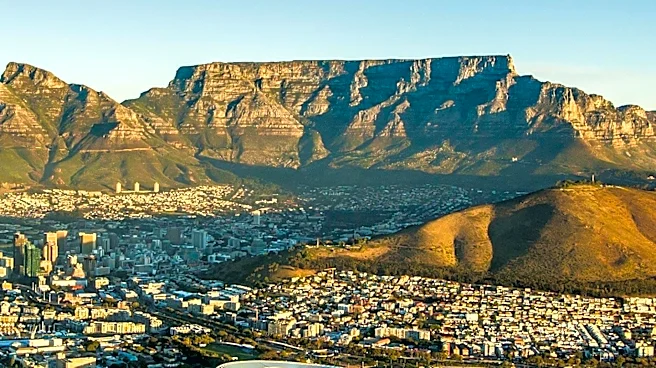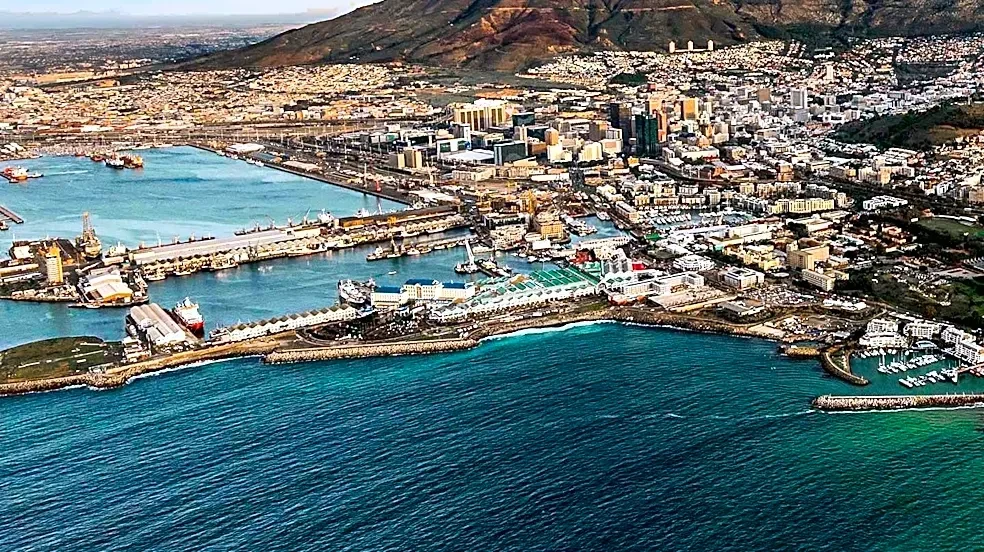





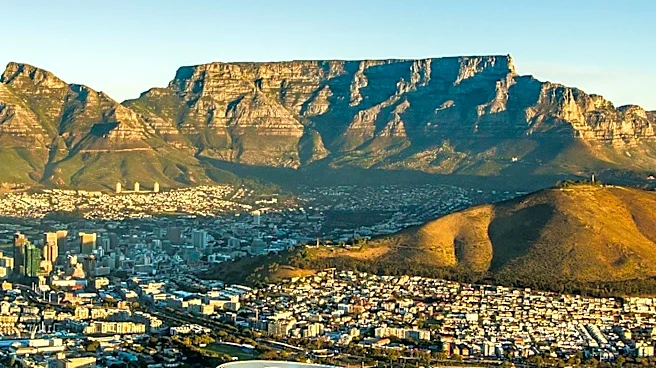
Cape Town, a city known for its dramatic landscapes and vibrant culture, also stands out for its robust infrastructure, comprehensive transportation networks, and forward-thinking urban planning initiatives. These elements are crucial in supporting its growing population and diverse economy, ensuring connectivity, and enhancing the quality of life for its residents. The city's commitment to development and maintenance is evident in its significant
investments across various sectors.
Infrastructure Development and Maintenance
The City of Cape Town places a strong emphasis on infrastructure development and maintenance, allocating substantial budgets to these areas. For the 2024 to 2025 financial year, the city spent R9.5 billion on infrastructure development. This commitment escalated in the 2025 to 2026 financial year, with a budget of R12.6 billion, ultimately resulting in an actual spend of R12.24 billion—the highest single-year infrastructure investment for a city in South Africa's history. Furthermore, the city has apportioned R120 billion for its 10-year infrastructure portfolio, demonstrating a long-term vision for growth and sustainability.
This infrastructure budget surpasses the combined budgets of all three metropolitan areas in the province of Gauteng, highlighting Cape Town's leading position in this regard. As part of its Vision 2050 project, unveiled in mid-2025, the city aims to significantly upgrade its infrastructure over 25 years. A key goal of this project is to ensure Cape Town remains a "future-fit city of opportunities for all," with 75% of its objectives directly benefiting lower-income households. This strategic investment underpins the city's ability to support its economic activities and provide essential services.
Transportation Systems
Cape Town's transportation system is multifaceted, designed to connect its various regions and facilitate movement for both residents and tourists. The city's road network includes Metropolitan or "M" routes for important intra-city travel, which are independently numbered. Notable examples include the M3, connecting the CBD with Muizenberg, and the M5, linking the Cape Flats to the CBD. Despite these networks, Cape Town experienced the worst traffic congestion in South Africa as of 2015.
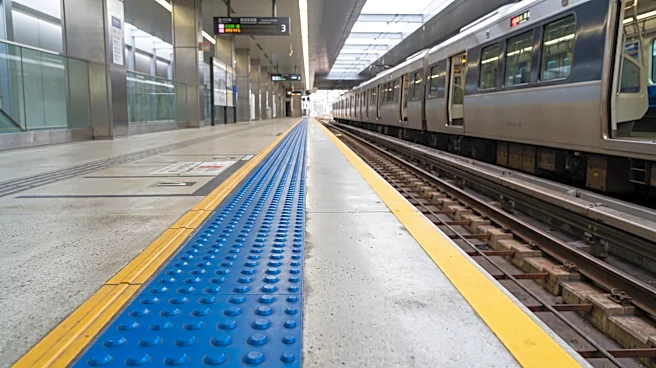
Public transport is primarily served by bus services and taxis. The MyCiTi bus rapid transit (BRT) system, operated directly by the City of Cape Town, is extensive, featuring a fleet of 223 electric and diesel buses operating between 42 stations and approximately 1,000 stops. The system is being rolled out in phases, with Phase 2A representing the largest investment in public transit by any metro in South Africa's history, including the construction of an electric bus charging depot and the country's first elevated traffic circle. Golden Arrow Bus Services (GABS) also provides commuter services with a fleet of around 1,200 buses on 1,300 routes, serving about 220,000 daily riders. GABS was the first in South Africa to roll out electric buses.
Taxi services include ride-hailing options like Bolt and Uber, as well as traditional metered taxis and minibus taxis. Minibus taxis are a standard form of transport for many, though concerns exist regarding their maintenance and safety. Metered taxis primarily operate in the CBD and Cape Town International Airport areas. In terms of driver's licensing, the Western Cape province, including Cape Town, is more advanced than the rest of South Africa, having launched a digital learner's license testing system in May 2025 to reduce corruption and improve efficiency.
Water and Energy Management
Cape Town has demonstrated resilience in managing critical resources, particularly water and energy. Following a severe water shortage from 2015 to 2018, the city implemented significant water restrictions, successfully reducing daily water usage by over half. This experience led to the development of a New Water Program and Water Strategy, aiming to diversify water sources through desalination, groundwater tapping, and clearing invasive species. A proposed desalination plant at Paarden Island is expected to produce 50 to 70 million liters of water daily by 2030.
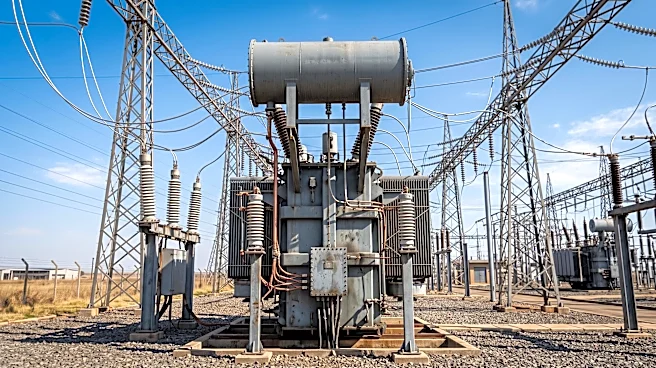
In energy, Cape Town is pioneering a shift away from reliance on the national producer Eskom. In 2025, the city announced plans to engage with a private electricity trading company to procure additional energy from a range of private providers. This initiative, supported by amendments to electricity regulations, aims to make Cape Town energy self-sustaining and protect it from load shedding. The city has a goal of net-zero carbon municipal buildings by 2030 and aims for alternative energy to meet 35% of its total demand by the same year. The Atlantis solar PV plant, a R200 million renewable-energy project, and plans for a 60 MW solar plant at Paardevlei are key components of this strategy. The "Cash for Power" program also allows residents to earn money by selling excess solar power back to the city's grid, a first for South Africa.