





Released on September 30, 1985, by Island Records, Tom Waits' ninth studio album, *Rain Dogs*, stands as a pivotal work in his career. It is widely regarded as the central piece of a trilogy that also includes *Swordfishtrombones* and *Franks Wild Years*. This album is particularly noted for its expansive range of musical styles and its overarching concept, which delves into the lives of the "urban dispossessed" of New York City. *Rain Dogs* marked
a significant evolution in Waits' artistic direction, moving away from his earlier jazz-blues sound towards more dynamic and experimental territories, incorporating folk and rock influences.
Crafting the Sound of the City's Margins
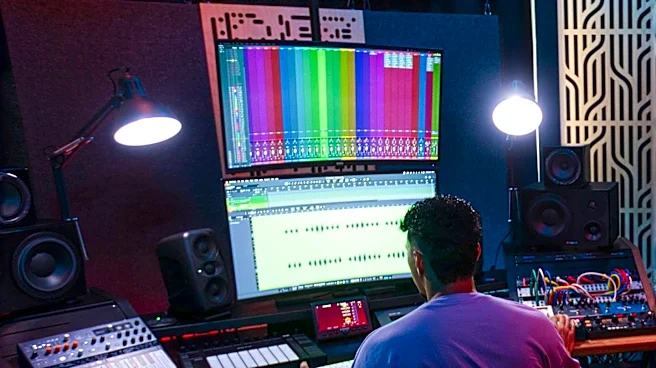
Tom Waits meticulously crafted *Rain Dogs*, writing and producing the entire album himself. The creative process largely took place during a two-month period in the fall of 1984, in a basement room located at the corner of Washington and Horatio Streets in Lower Manhattan. Waits described this area, situated between Canal and 14th Street and just a block from the river, as a "rough area" but an ideal workspace due to its quiet atmosphere, save for the occasional sound of water through pipes, which he likened to being in a vault. This setting undoubtedly influenced the album's nocturnal and often distorted atmospheres, which narrate stories of lives lived on the fringes of society—themes that would remain central to Waits' work throughout his career.
To capture the authentic soundscape of the city, Waits went to great lengths, recording street sounds and other ambient noises on a cassette recorder. This dedication to capturing the essence of his subject matter contributed to the album's organic feel. The instrumentation employed on *Rain Dogs* was equally diverse, featuring instruments such as marimba, accordion, double bass, trombone, and banjo. This broad palette of sounds helped to create the album's distinctive and varied musical texture, moving beyond the nightclub jazz-blues of his earlier work into more experimental and percussive realms.
An Idiosyncratic American Style and Collaborative Spirit
*Rain Dogs* is celebrated for its unique blend of musical influences, which Arion Berger described as merging "outsider influences – socialist decadence by way of Kurt Weill, pre-rock integrity from old dirty blues, the elegiac melancholy of New Orleans funeral brass – into a singularly idiosyncratic American style." This fusion of diverse elements contributes to the album's enduring appeal and its status as one of Waits' most representative works. Despite the varied contaminations and rhythms, the album maintains a remarkable compactness, creating a cohesive artistic statement.
The album also features notable collaborations that enriched its sound. Guitarists Keith Richards and Marc Ribot made significant contributions. *Rain Dogs* marked Ribot's first major label recording experience, and he was particularly struck by Waits' unconventional approach in the studio. Ribot recalled Waits' unique production style, noting that he was very open to accidental sounds and would give unusual instructions, such as, "Play it like a midget's bar mitzvah." Waits' method involved playing songs on an acoustic guitar in the studio rather than rehearsing them beforehand, allowing for a spontaneous and free creative environment.
Keith Richards played on several tracks, including "Big Black Mariah," "Union Square," and "Blind Love." Waits later reciprocated by contributing vocals and piano to The Rolling Stones' album *Dirty Work*. Their collaboration extended to Richards co-writing "That Feel" on Waits' *Bone Machine* and playing on *Bad as Me*. Waits described Richards as having a "great spirit in the studio," moving "like some kind of animal" and possessing an "animal instinct" that allowed him to quickly grasp the essence of a song. This collaborative spirit, combined with Waits' innovative production techniques and thematic depth, solidified *Rain Dogs* as a milestone in his discography and a significant album of the 1980s.