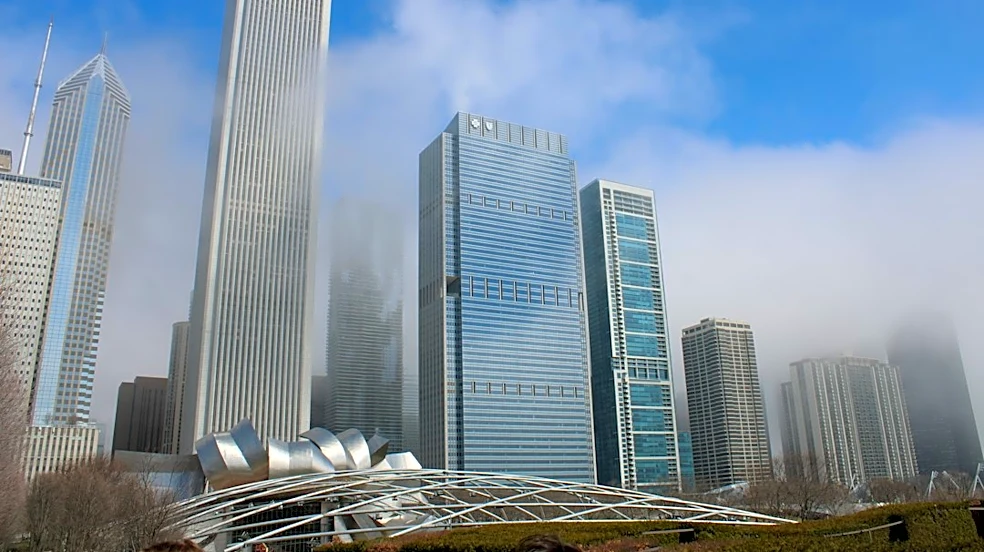







Saul Bellow, a celebrated Canadian and American writer, made a significant decision in 1962 to return to Chicago, a city he described as "vulgar but vital." This move marked a new chapter in his life and career, deeply influencing his academic pursuits and literary output. After spending years in New York City, Bellow's return to Chicago was driven by both professional opportunities and a personal connection to the urban landscape he felt was more
representative of America.
Academic Life at the University of Chicago
Upon his return, Bellow joined the Committee on Social Thought at the University of Chicago as a professor. This committee was designed to foster a unique educational environment where professors could work closely with talented graduate students. The approach was multidisciplinary, encouraging a broad and integrated understanding of various subjects. Bellow taught on this committee for over three decades, forming a close professional and personal bond with philosopher Allan Bloom, who was also a faculty member.
His role at the university allowed him to engage with intellectual discourse and mentor emerging talents, such as the poet Tom Mandel, who was among his students. This academic setting provided a stable and stimulating environment for Bellow, allowing him to continue his literary work while contributing to the intellectual life of the city. The long tenure of his professorship underscores his commitment to both teaching and the University of Chicago.
Chicago's Influence on Bellow's Work
Beyond his academic role, Bellow's decision to settle in Chicago, specifically the Hyde Park neighborhood with his third wife, Susan Glassman, was deeply personal. He found the city, despite its perceived vulgarity, to be vibrant and authentic, offering a truer reflection of American life than New York. This perspective was crucial for his writing, as it allowed him to stay connected with a diverse cross-section of society and maintain relationships with old high school friends.
Bellow's commitment to living in Chicago, even in areas described as high-crime, was a conscious choice for him as a writer. He believed it was essential to "stick to his guns" and immerse himself in the realities of urban life to inform his narratives. This dedication to his surroundings is evident in his work, which often explored the complexities of human experience within American society.
Literary Success and Thematic Explorations
Bellow's return to Chicago coincided with significant literary achievements. In 1964, his novel *Herzog* became a bestseller, a success that surprised Bellow given its cerebral nature. The novel delves into the mind of a troubled, middle-aged college professor who writes unsent letters to various individuals, including friends, scholars, and the deceased. This exploration of mental instability and its connection to genius became a recurring theme in his later works.
He revisited this theme in his 1975 novel, *Humboldt's Gift*, which earned him the Pulitzer Prize. For this novel, Bellow drew inspiration from his late friend and literary rival, the brilliant yet self-destructive poet Delmore Schwartz, who served as the model for the character Von Humboldt Fleisher. Additionally, Bellow incorporated Rudolf Steiner's spiritual science, anthroposophy, into the book's themes, having attended a study group on the subject in Chicago. His continued engagement with complex psychological and philosophical ideas, often rooted in his observations of American life, solidified his reputation as a major literary figure.