
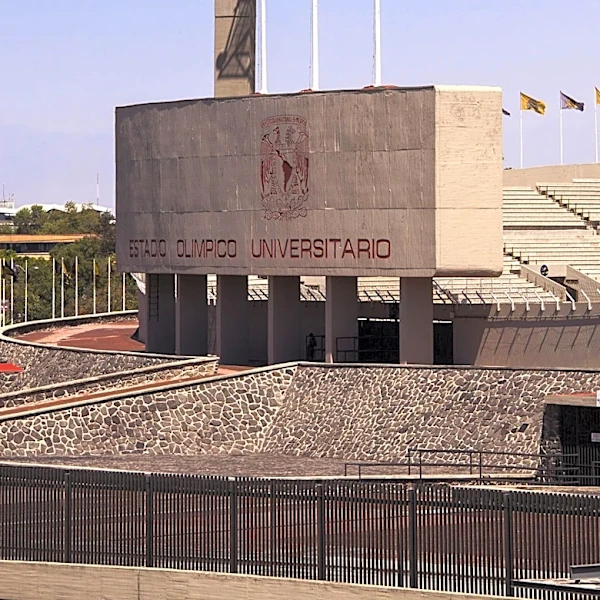






The 1968 Summer Olympics in Mexico City, held from October 12 to 27, featured a comprehensive medal system that adhered to the International Olympic Committee's (IOC) established conventions. The medal table, a crucial component for tracking national performance, was organized by prioritizing the number of gold medals won by a nation, followed by silver, and then bronze. This standard sorting method provided a clear hierarchy for ranking participating
countries, reflecting their overall success in the 172 events contested by 5,516 athletes from 112 nations.
Conventional Medal Sorting and Unique Boxing Awards
The medal table for the 1968 Games was meticulously compiled using the IOC's conventional sorting method. This approach ensures consistency across Olympic events, allowing for a standardized comparison of national achievements. The primary criterion for ranking was the number of gold medals. If nations had an equal number of gold medals, the count of silver medals served as the tie-breaker. Should both gold and silver counts be identical, the number of bronze medals would then determine the higher rank. This systematic method provided a clear and universally understood way to present the competitive outcomes.
One distinctive aspect of the medal awards in 1968 was observed in boxing events. Unlike many other sports where a single bronze medalist might emerge from a third-place playoff, the 1968 Olympics awarded two bronze medals in each boxing event. These medals were given to both losing semi-finalists, effectively eliminating the need for a third-place tiebreaker match. This practice ensured that both athletes who reached the penultimate stage of the competition received recognition for their efforts, acknowledging the demanding nature of the sport and the high level of performance required to reach the semi-finals.
Gymnastics Ties: Two Golds, No Silver
The 1968 Mexico City Games also saw a rare and notable occurrence in gymnastics, where exceptional performances led to ties for first place in two separate events. In both the men's horizontal bar and the women's floor exercise, two gold medals were awarded. This decision was made because multiple athletes achieved identical top scores, making it impossible to distinguish a single winner. Consequently, in these specific events, no silver medal was awarded, as the second-place position was effectively shared by the gold medalists.
These instances of shared gold medals highlight the extraordinary precision and competitive intensity inherent in Olympic gymnastics. When athletes perform at such an elite level that their scores are indistinguishable, the Olympic committee's rules allow for the recognition of multiple champions. Such moments become part of the unique narrative of the Games, demonstrating not only the pursuit of excellence but also the fairness and adaptability of the medal awarding system in the face of exceptional athletic achievement. These specific outcomes in boxing and gymnastics contribute to the distinct character of the 1968 Summer Olympics' medal history.