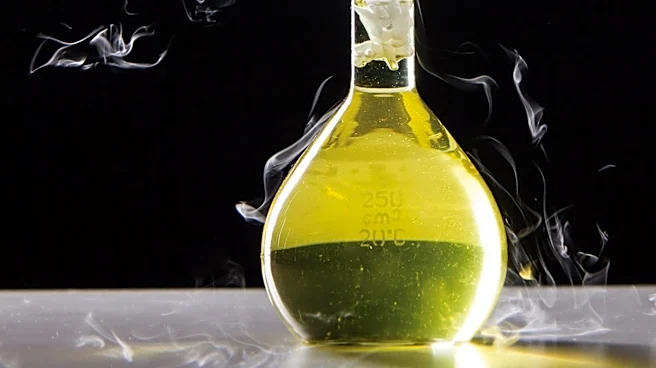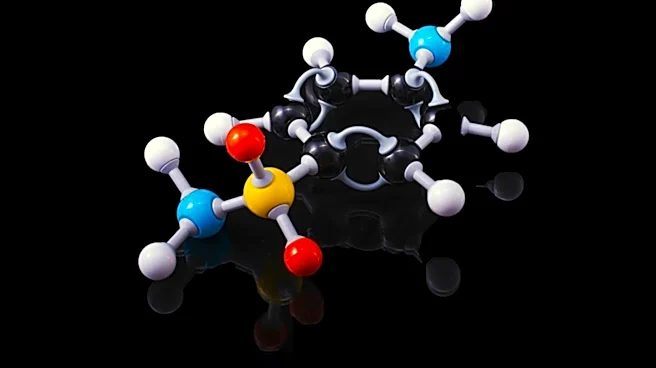









Skatole, also known as 3-methylindole, is an organic compound belonging to the indole family with a fascinating duality. While it is primarily recognized as a significant contributor to fecal odor, occurring naturally in the feces of mammals and birds, skatole also plays a surprising role in the world of perfumery. Its unique properties allow it to function as both a fragrance and a fixative, demonstrating how substances with seemingly unpleasant
origins can be transformed into valuable components in the creation of complex scents.
The Dual Nature of Skatole's Aroma
At higher concentrations, skatole's aroma is distinctly described as "animal, fecal, naphthyl, civet." This strong, often off-putting scent is what makes it the primary compound responsible for the characteristic smell of feces. However, the perception of skatole's odor changes dramatically at lower concentrations. When diluted, skatole takes on a flowery smell, a transformation that has made it valuable in various applications, particularly in the fragrance industry. This concentration-dependent aroma profile is key to its utility.
This intriguing shift in scent allows skatole to be incorporated into perfumes, where its floral notes can enhance and deepen a fragrance. Beyond perfumery, skatole is also used in low concentrations as a flavor enhancer in some ice cream products, further highlighting its versatile aromatic qualities when properly managed. The compound's name itself, derived from the Greek root "skato-" meaning feces, directly references its most prominent natural occurrence and initial olfactory association.
Biosynthesis and Discovery
Skatole's natural formation begins in the digestive tract of mammals. It is derived from the amino acid tryptophan, which undergoes a conversion to indoleacetic acid. This indoleacetic acid then decarboxylates, leading to the formation of methylindole, or skatole. Once created in the digestive system, skatole is subsequently metabolized by cytochrome P450 enzymes located in the liver. This natural biological pathway explains its presence in animal waste.
Skatole was first discovered in 1877 by the German physician Ludwig Brieger. His work laid the groundwork for understanding this compound, which has since been studied for its various properties and applications. In laboratory settings, skatole can be synthesized using the Fischer indole synthesis method, which involves forming indole derivatives from phenylhydrazines and carbonyl compounds. A simplified reaction scheme for this process can utilize phenylhydrazine and propanal. A notable chemical characteristic of skatole is that it produces a violet color when treated with potassium ferrocyanide.
Skatole as a Fixative in Perfumery
In perfumery, a fixative is a substance added to more volatile components to reduce their evaporation rate and improve the overall stability of the scent. Skatole serves this crucial role, helping to prolong the longevity of a fragrance on the skin or in the air. By slowing down the evaporation of other aromatic compounds, skatole ensures that the perfume's scent lasts much longer, contributing to the overall quality and performance of the product.
Its ability to act as a fixative, combined with its pleasant floral scent at low concentrations, makes skatole a valuable ingredient for perfume makers. This dual function allows it to not only contribute a unique aromatic note but also to stabilize the entire fragrance composition. The careful use of skatole exemplifies how perfumers leverage complex organic compounds, often with surprising origins, to create sophisticated and enduring olfactory experiences. Its inclusion in perfumes underscores the intricate science and artistry involved in fragrance creation, transforming a compound known for its strong, unpleasant odor into a subtle and essential element of fine perfumery.