



The Rally de Portugal, an annual motorsport event held in Portugal, has undergone a remarkable transformation since its inception in 1967. What began as an internal competition for employees of the Portuguese airline TAP in the early 1960s steadily grew in stature, eventually becoming a cornerstone of the World Rally Championship. This evolution involved significant organizational shifts, increasing international recognition, and adaptations to both
sporting regulations and safety concerns. The rally's journey reflects the broader changes within international motorsport, showcasing its resilience and enduring appeal as it transitioned from a local curiosity to a globally recognized spectacle.
From Employee Event to International Debut
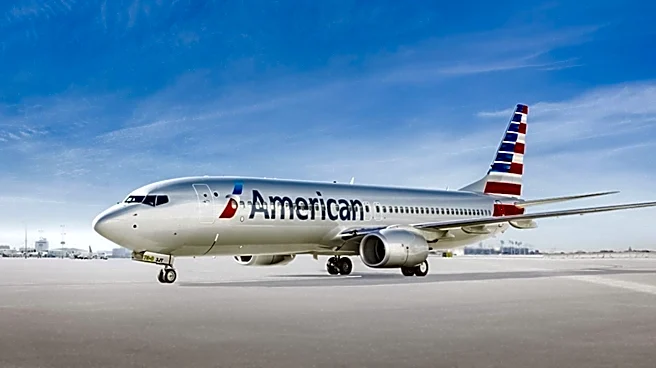
The earliest form of the Rally de Portugal was a modest competition initiated by the Cultural and Sports Group of TAP, the Portuguese airline, in the early 1960s. This internal event laid the groundwork for what would become a major international rally. The involvement of influential figures like Alfredo César Torres, who became a long-standing leader of the event, and engineer Vaz Guedes, then president of TAP, was crucial in expanding its scope. Guedes implemented an open participation policy, which paved the way for the creation of the Rallye Internacional TAP in 1967. This marked the official international debut of the event, setting it on a path of rapid growth and increasing prominence.The success of the inaugural international edition was immediate, with the 1968 rally attracting 190 entries. This early momentum quickly propelled the event onto the European stage. By 1970, just three years after its international launch, the rally's quality was recognized with its inclusion in the European Rally Championship. This was a pivotal step, signaling its growing importance beyond national borders. The ultimate validation of its international standing came in 1973 when it was integrated into the World Rally Championship, firmly establishing the Rally de Portugal as a significant event in global motorsport.
Organizational Maturation and Global Acclaim
As the Rally de Portugal ascended to world championship status, its organizational structure also evolved. In 1975, after eight editions, the Automóvel Club de Portugal (ACP) took over the reins from the TAP Cultural and Sports Group. This change brought a new level of professional management to the event. Concurrently, new sponsorships emerged, such as the Instituto do Vinho do Porto, which led to the rally being rebranded as Rallye de Portugal - Vinho do Porto. These developments reflected the increasing commercial and sporting value of the event.The late 1970s and early 1980s represented a golden age for the rally, during which its global reputation soared. For five consecutive years, from 1976 to 1980, and again in 1982, the Rally de Portugal was awarded the prestigious title of "Best Rally in the World" by the BPICA (Bureau Permanent International des Constructeurs d'Automobiles). This consistent recognition underscored its excellence in organization, challenging routes, and overall spectacle, cementing its status as a premier event on the international rally calendar.
Navigating Challenges and Sustaining World Status
The rally's journey was not without significant challenges, particularly concerning spectator safety. The immense popularity of certain stages, especially those near Lisbon like Sintra, led to overwhelming crowds. This culminated in a tragic accident in 1986 during the Group B era, where multiple spectators died and many were injured. This incident, alongside others in the sport, led to the banning of Group B cars and forced the rally to adapt by removing popular but dangerous stages near Lisbon. These changes, while necessary for safety, initially impacted spectator numbers and the rally's traditional character.Despite these setbacks and a temporary removal from the WRC calendar after 2001, the Rally de Portugal demonstrated remarkable resilience. Under new leadership at the Automóvel Club de Portugal, a concerted effort was made to bring the rally back to the World Championship. After successful candidate events in 2005 and 2006, it rejoined the WRC in 2007. Since then, with only a brief interruption in 2008 to host the Intercontinental Rally Challenge, the Rally de Portugal has maintained a permanent place on the WRC calendar. Its continued presence, marked by innovations like hybrid cars and green fuels in recent editions, highlights its enduring significance and its successful evolution into a sustainable, world-class motorsport event.