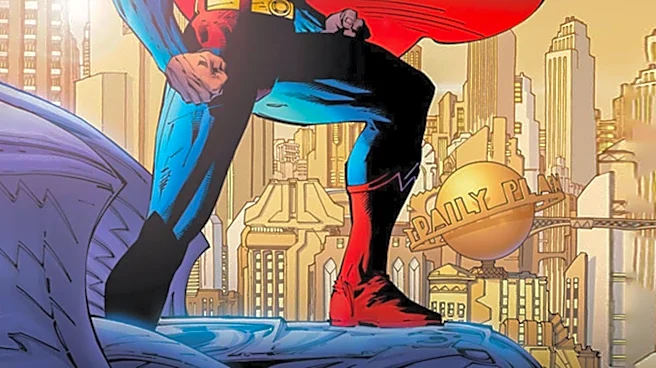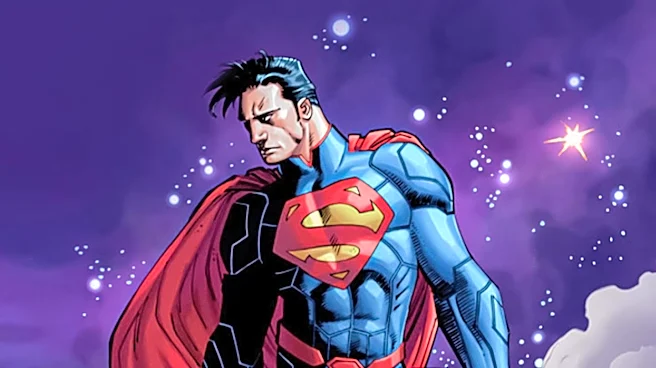








An origin story, within the broader concept of backstory, is a specific account or narrative that reveals how a character or a group of people comes to be a protagonist or an antagonist. This type of backstory is particularly prevalent in American comic books, where it details how characters acquire their superpowers or the circumstances that lead them to become superheroes or supervillains. Origin stories are fundamental to establishing a character's
identity and purpose within a fictional world, providing the foundational context for their actions and motivations.
The Enduring Significance of Origin Stories
For comic book companies, as well as cartoon, game, children's show, and toy companies, origin stories are frequently rewritten to keep characters current and relevant. This can involve adding new details that do not contradict existing facts or, in some cases, creating entirely new origins that effectively present a different version of the character. The continuous evolution of origin stories highlights their importance in maintaining character longevity and adapting to changing cultural landscapes.
Critical explorations of the origin story emphasize its central role in the superhero genre. As noted by editors Charles Hatfield, Jeet Heer, and Kent Worcester in *The Superhero Reader*, almost all superheroes possess an origin story, which serves as a bedrock account of the transformative events that distinguish the protagonist from ordinary humanity. This trope, recurring frequently, offers insights into the nature of the narrative tradition itself, often revolving around themes of transformation, identity, difference, and the tension between psychological rigidity and a flexible sense of human nature.
Origin Stories as Cultural Reflections
English professors Alex Romagnoli and Gian S. Pagnucci, in their book *Enter the Superheroes: American Values, Culture, and the Canon of Superhero Literature*, discuss how superhero origin stories illuminate the unique literary genre of superhero narratives. They argue that while superhero histories can be complex, their origin stories remain constant and crucial. More so than other narrative elements like "death" stories or crossovers, origin stories form the core of a superhero's existence.
These origin narratives not only reflect the sociohistorical contexts in which heroes were created but also embody a culture's understanding of what makes superhero storytelling a unique vehicle. Romagnoli and Pagnucci explain that origin stories are as vital to the audience as they are to the generations of writers who continue these heroic tales, providing a consistent point of reference and a deep connection to the character's essence.
The Crafting of Iconic Origins: The Spider-Man Example
Randy Duncan and Matthew J. Smith, scholars of comics, use the origin story of Spider-Man as a prime example of how a character can be shaped by a writer's persistent vision, even in the face of publisher resistance. They note that it is difficult to determine which is told more often: Spider-Man's origin or the stories surrounding it. All these narratives reveal fascinating aspects of a teenage loner who is fatefully "bitten by a radioactive spider" and gains "the proportionate strength and agility of an arachnid."
Duncan and Smith recount how Stan Lee championed the Spider-Man concept despite publisher Martin Goodman's concerns about an "ick factor." Lee's persistence led to the creation of a character whose origin resonates with attributes from various genres and traditions. They describe Spider-Man's origin as a "heady puree" of elements from Mary Shelley's *Frankenstein*, Bob Kane's Batman, and Franz Kafka's *Metamorphosis*, invoking gothic and crime fiction motifs such as the ostracized genius, doomed loved ones, the misuse of science, the gritty noir city, the driven vigilante, and the "return of the repressed." This rich tapestry of influences underscores the depth and enduring appeal of well-crafted origin stories.