






Ichthyosis, a family of genetic skin disorders, is characterized by dry, thickened, and scaly skin. While this defining feature is common across all types, the severity of symptoms can vary enormously, presenting a wide spectrum from conditions that might be mistaken for normal dry skin to those that are life-threatening. This variability extends to outward appearance, underlying genetic causes, and modes of inheritance, which can be dominant, recessive,
autosomal, or X-linked. The Greek origin of the name, "ichthys" meaning 'fish,' aptly describes the scaly nature of the skin in these disorders.
At one end of this spectrum lies ichthyosis vulgaris, the most common form, accounting for over 95% of all cases. This type is generally considered one of the mildest, often presenting with symptoms that are not life-threatening and may even improve with age. In contrast, at the severe end of the spectrum is harlequin-type ichthyosis, a condition so profound that it can be life-threatening, particularly in newborns. Understanding this vast range of severity is crucial for diagnosis, treatment, and managing patient expectations.
Ichthyosis Vulgaris: The Mild and Common Form
Ichthyosis vulgaris, also known as "common ichthyosis," affects approximately 1 in 250 people. Its symptoms are typically not present at birth but usually develop between three months and five years of age. These can include skin dryness (xerosis), small skin bumps (keratosis pilaris), and thickened skin on the palms and soles (palmoplantar hyperlinearity). While the symptoms often improve as a person ages, they may become more severe again in old age. For most individuals, the impact is generally restricted to mild itching and the social implications of having skin with an unusual appearance. Mild cases might show scaly patches on the shins, fine white scales on the forearms and upper arms, and rough palms. The mildest presentations may only reveal faint "mosaic lines" between the Achilles tendons and the calf muscles, often going unnoticed or being dismissed as ordinary dry skin.
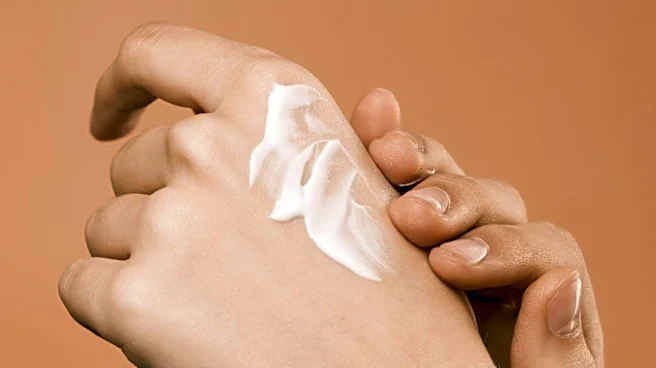
Despite its generally mild nature, ichthyosis vulgaris can still lead to potential complications such as vitamin D deficiency and hearing problems due to ear scaling. The visible changes in the skin, even if mild, can also significantly diminish a person's quality of life. Management typically involves the regular application of creams containing 10% urea, along with ceramides and other moisturizing compounds, to help manage the dryness and scaling.
Harlequin-Type Ichthyosis: A Life-Threatening Condition
In stark contrast to ichthyosis vulgaris, harlequin-type ichthyosis represents the most severe form of the disorder. This condition is characterized by thickened skin covering nearly the entire body at birth, forming large, diamond/trapezoid/rectangle-shaped plates separated by deep cracks. These severe skin manifestations affect the shape of the eyelids, nose, mouth, and ears, and can significantly limit the movement of the arms and legs. Restricted chest movement is a critical concern, as it can lead to severe breathing difficulties, making it a life-threatening condition for newborns.
Other serious complications associated with harlequin-type ichthyosis include premature birth, a high risk of infection due to the compromised skin barrier, problems with body temperature regulation, and dehydration. The thick skin plates typically fall off over several weeks, but the initial presentation requires intensive medical care. This severe form underscores the wide and challenging spectrum of conditions encompassed by the term ichthyosis, highlighting the critical need for specialized medical intervention for the most extreme cases.