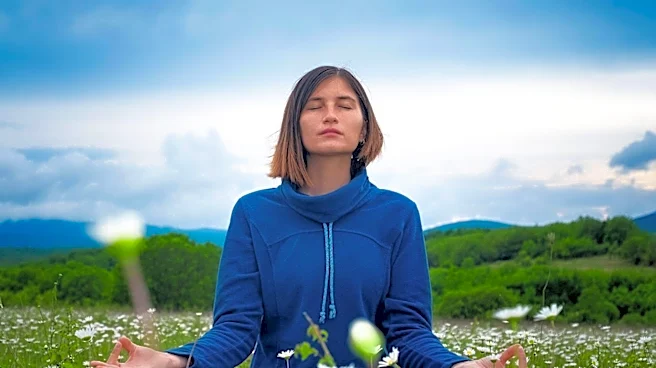

Transcendental Meditation (TM) is a form of mantra meditation that has gained popularity worldwide. Developed by Maharishi Mahesh Yogi, this technique involves the silent repetition of a mantra for 15-20
minutes twice a day while sitting with eyes closed. TM is known for its simplicity and accessibility, making it one of the most widely practiced meditation techniques globally. This article explores the practice of TM, its implementation in various settings, and the debates surrounding its religious and non-religious nature.
The Technique of Transcendental Meditation
The core of Transcendental Meditation lies in its technique, which is both simple and structured. Practitioners are taught to repeat a specific mantra silently, allowing their minds to settle into a state of profound rest. This practice is typically done twice a day for 15-20 minutes, with the individual sitting comfortably with eyes closed. The mantra, a sound or phrase, is chosen by a certified TM teacher and is considered a personal tool for the practitioner.
The simplicity of TM is one of its most appealing aspects. Unlike other forms of meditation that may require concentration or contemplation, TM allows the mind to naturally transcend to a state of restful alertness. This effortless approach is said to reduce stress and promote overall well-being, making it accessible to people of all ages and backgrounds.
Implementation in Various Settings
Since its introduction in the 1960s, Transcendental Meditation has been incorporated into various educational and social programs worldwide. In the United States, TM has been included in schools, universities, and even prison programs. The technique's adaptability to different environments has contributed to its widespread acceptance and practice.
In addition to educational settings, TM has found a place in corporate wellness programs. Companies have adopted TM as a tool to enhance employee productivity and reduce stress. The technique's ability to promote mental clarity and relaxation has made it a valuable addition to workplace wellness initiatives.
Religious and Non-Religious Perspectives
Transcendental Meditation has been described as both religious and non-religious, leading to debates about its nature. While some view TM as rooted in Hinduism, others see it as a secular practice for self-development. This duality has sparked discussions about the role of TM in religious and non-religious contexts.
In 1977, a U.S. district court ruled that a curriculum in TM and the Science of Creative Intelligence being taught in New Jersey schools was religious in nature, violating the First Amendment. Despite this ruling, TM continues to be practiced by individuals seeking personal growth and stress reduction, regardless of their religious beliefs.
The public presentation of TM has been both praised and criticized. Its high visibility in the media and endorsements by celebrities have contributed to its global propagation. However, some critics argue that these endorsements serve as marketing tools rather than genuine testimonials of the technique's benefits.