






Throughout American history, mining has been a perilous occupation, punctuated by numerous disasters that have left indelible marks on communities and spurred calls for reform. While the overall trend in mining fatalities has decreased over time, individual tragedies stand out for their immense loss of life and the specific circumstances that led to them. Examining these events provides a stark reminder of the dangers inherent in extracting resources
from the earth.
The Speculator Mine Disaster: A Hard Rock Catastrophe
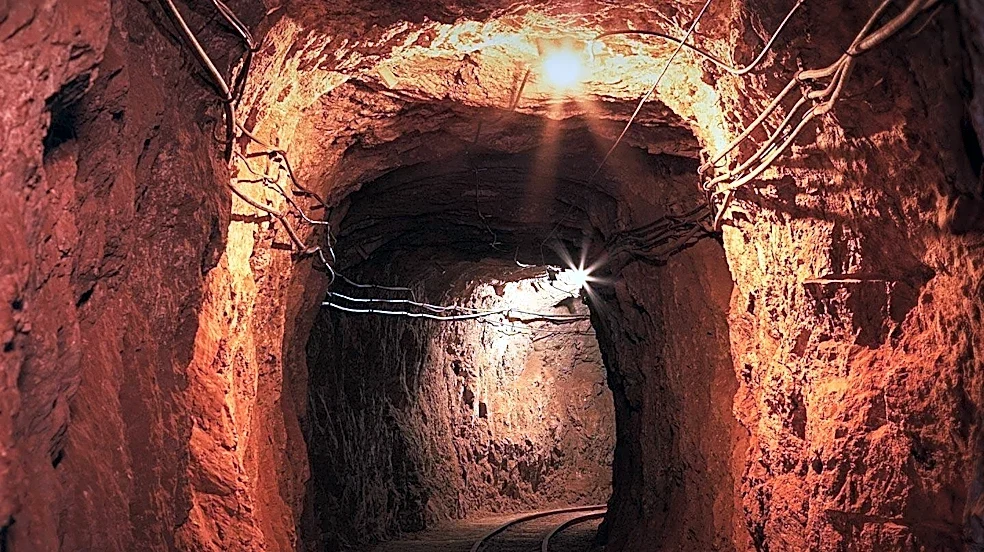
On June 8, 1917, the Speculator Mine in Butte, Montana, became the site of the deadliest underground hard rock mining disaster in United States history. The tragedy began when an electric cable, being lowered into the mine, accidentally ignited at a depth of 2,500 feet below the surface. The fire quickly spread, climbing the cable and igniting the mine's wooden shaft. This shaft, crucial for ventilation, effectively turned into a chimney, rapidly consuming the mine's primary oxygen supply. The vast majority of the 168 fatalities were not from the fire itself, but from asphyxia caused by carbon monoxide poisoning. The rapid spread of the fire and the subsequent oxygen depletion created an inescapable death trap for the miners working deep within the copper mine.
This disaster highlighted the unique risks associated with hard rock mining, particularly the use of electrical equipment and the presence of combustible materials in deep shafts. The swift and overwhelming nature of the asphyxiation made rescue efforts nearly impossible, leaving a profound impact on the Butte community and serving as a grim lesson in the potential for rapid escalation of underground hazards.
The Knox Mine Disaster: River's Fury Underground
The Knox Mine disaster, which occurred on January 22, 1959, in Port Griffith, Pennsylvania, presented a different kind of catastrophic event: a mine flooded by a major waterway. The River Slope Mine, an anthracite coal mine, was leased by the Knox Coal Company. Despite regulations, the mine was extended into areas directly beneath the Susquehanna River, with insufficient attention paid to the thickness of the rock roof separating the mine from the riverbed. On the day of the disaster, the river was dangerously high and icy due to a thaw and heavy rain. The river broke through the mine ceiling, flooding the interconnected mine galleries in the Wyoming Valley.
Twelve miners died in the deluge, and their bodies were never recovered despite extensive efforts to pump water out of the mine. The incident was a stark example of negligence, as investigations later revealed that the roof cover at the cave-in location was only 6 to 8 feet thick, far less than the normal 50 feet considered safe. The disaster effectively ended deep mining in Pennsylvania's northern anthracite field and led to indictments for involuntary manslaughter against several individuals, including mine owners and union officials, though convictions were later reversed on appeal.
The Hurricane Creek Mine Disaster: A Question of Enforcement
The Hurricane Creek mine disaster, near Hyden, Kentucky, on December 30, 1970, resulted in the deaths of 38 men. This tragedy was particularly poignant as it occurred just one year after the passage of the Coal Mine Safety and Health Act of 1969, a landmark piece of legislation designed to improve mine safety. The disaster took place in a "truck mine" owned by Charles and Stanley Finley, which had a history of safety infractions. The Bureau of Mines had even declared the mine an "imminent danger" in November 1970 due to blasting safety hazards, including excess coal dust and electrical spark risks, but allowed it to continue operation.
The explosion, which occurred around 12:10 p.m., trapped and killed the 38 day shift workers. Investigations revealed that illegal primer cord was found at the blast site, and there were allegations of bribery and a lack of enforcement by the understaffed Bureau of Mines. This disaster highlighted the critical gap between the enactment of safety laws and their effective implementation and enforcement, leading to widespread protests from members of Congress and union miners regarding the lack of oversight.