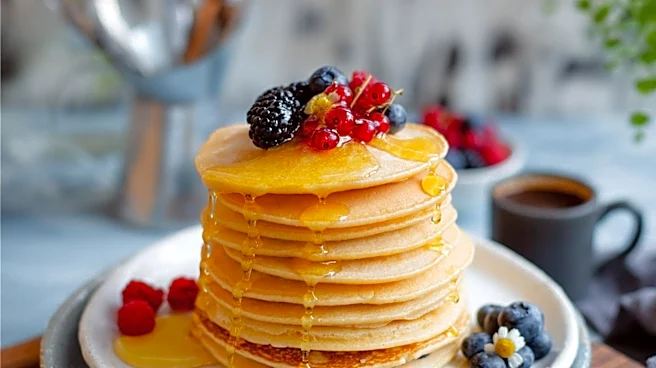







Pancakes are a versatile dish that can be made with a variety of ingredients and cooking methods. This article explores the different ingredients and techniques used in pancake recipes around the world, highlighting the creativity and diversity of this beloved dish.
Basic Ingredients and Variations
At their core, pancakes are made from a simple batter of flour, eggs, and milk. However, the type of flour used can vary, resulting in different textures and flavors. In North America,
all-purpose flour is commonly used, while in Europe, buckwheat flour is often used for savory pancakes like blini and galettes.
In addition to flour, other ingredients can be added to the batter to enhance flavor and texture. Buttermilk is a popular addition in American pancakes, giving them a tangy flavor and fluffy texture. In Japan, okonomiyaki batter includes cabbage and other vegetables, creating a savory pancake with a unique taste. Sweeteners like sugar or honey can also be added to the batter, as seen in the Greek tagenites, which are sweetened with honey.
Cooking Techniques and Equipment
The cooking method for pancakes can greatly affect their texture and flavor. In France, crepes are cooked on a special pan or crepe maker, resulting in a thin and delicate pancake. The batter is spread evenly across the pan to create a lace-like network of bubbles, giving crepes their characteristic texture.
In contrast, American pancakes are cooked on a griddle or frying pan, allowing them to rise and become thick and fluffy. The use of a leavening agent like baking powder helps the pancakes rise, creating a light and airy texture. In Ethiopia, injera is cooked on a large flat griddle called a mitad, resulting in a spongy pancake with a unique texture.
Regional Techniques and Innovations
Different regions have developed their own techniques and innovations for making pancakes. In Korea, pancakes like buchimgae and jeon are made by frying a batter of vegetables, seafood, or meat, creating a crispy and savory dish. These pancakes are often served as side dishes or snacks, showcasing the versatility of pancake recipes.
In India, pancakes like dosa and uttapam are made from a fermented batter of rice and lentils, resulting in a tangy and flavorful dish. The fermentation process adds depth to the flavor, making these pancakes a popular choice for breakfast or dinner. In the Philippines, pancakes like salukara are made from rice flour and coconut milk, creating a sweet and aromatic treat.
The Art of Pancake Making
Pancake making is an art that requires skill and precision. The consistency of the batter, the temperature of the cooking surface, and the timing of the flip all play a crucial role in achieving the perfect pancake. In Denmark, aebleskiver are made in a special pan with hemispherical indentations, requiring careful turning to achieve their spherical shape.
In Iceland, pönnukökur are cooked on a special pancake pan, which is never washed to maintain its seasoning. This technique results in a thin and crispy pancake, often served with sugar or jam. The art of pancake making is a testament to the creativity and skill of cooks around the world, who continue to innovate and experiment with this versatile dish.
Pancakes are a culinary delight that can be enjoyed in countless ways. From the ingredients used to the cooking techniques employed, pancakes offer endless possibilities for creativity and flavor. Whether sweet or savory, thick or thin, pancakes continue to captivate the taste buds of people around the world.