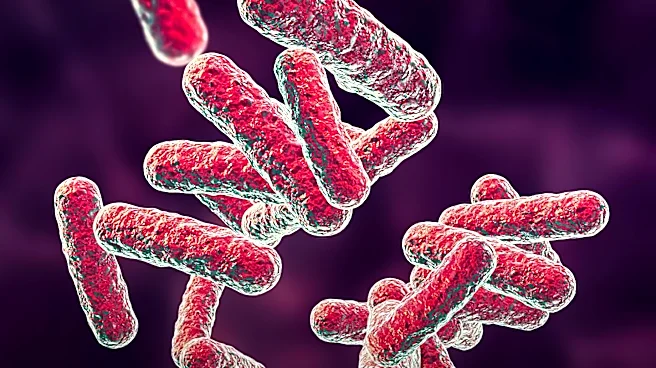









Maintaining optimal oral health in cats is a critical aspect of their overall well-being, yet it can be a challenging task for pet owners and veterinary teams. Oral diseases are remarkably common in felines and, if left unaddressed, can lead to more severe systemic health issues, including bacterial infections affecting major organs like the heart, kidneys, and liver. While regular tooth brushing and dental treats play a role, dietary selection stands
out as a significant factor that cat owners can leverage to positively influence their pets' oral status. Specialized feline dental health diets are specifically formulated to prevent oral diseases, offering a proactive approach to feline dental care.
The Pervasiveness of Feline Oral Disease
Periodontal diseases are widespread among cats of all ages, and their potential to progress into local or systemic conditions underscores the importance of early intervention and ongoing management. The predisposition of felines to poor oral health is not a modern phenomenon; a 2014 study examining the skulls of cats that died before 1960 revealed the same dental diseases found in contemporary felines. This suggests that their origins as a desert species and their typical diet may contribute to this vulnerability. Interestingly, purebred cats do not exhibit a higher risk of developing oral diseases compared to mixed breeds, further supporting the idea that lifestyle, including diet, plays a more significant role in dental health than genetics.
When pet owners are informed about the benefits of supporting good oral health, positive outcomes for their cats substantially improve. This awareness empowers them to make informed choices, particularly regarding diet, which can significantly impact the prevention of plaque, tartar, and bacterial growth in the mouth. The goal of dental diets is to mitigate these issues, thereby reducing the incidence and severity of periodontal disease and its associated complications.
Key Nutrients for a Healthy Feline Mouth
Several specific nutrients are incorporated into dental diets to actively support oral health. Zinc, an essential trace mineral, is frequently added for its antibacterial properties and its proven ability to reduce plaque in cats. This reduction in plaque also leads to a decrease in halitosis, or bad breath. Zinc is commonly found in feline diets as zinc ascorbate, zinc gluconate, zinc oxide, or other zinc salts. While cats absorb between ten and twenty-five percent of dietary zinc, its absorption can be influenced by other nutrients, with calcium and phytate known to decrease it. Conversely, excessive concentrations of zinc can lead to toxicity symptoms such as vomiting and abdominal pain.
Polyphosphates, such as sodium hexametaphosphate, are another crucial ingredient. These compounds are used to coat kibbles and are effective at binding to minerals, particularly calcium, which would otherwise bind to plaque and harden into tartar. Sodium hexametaphosphate has been shown to effectively decrease tartar buildup on all teeth, not just those involved in the mechanical breakdown of food. Ascorbic acid, or vitamin C, often added as ascorbyl phosphate to kibble coatings, is beneficial for cats already suffering from mouth and gum disease. It acts as an effective antiseptic, helping to heal mouth sores and reduce inflammation, as evidenced by visual assessments and bacterial cultures.
The Physical Properties of Dental Diets
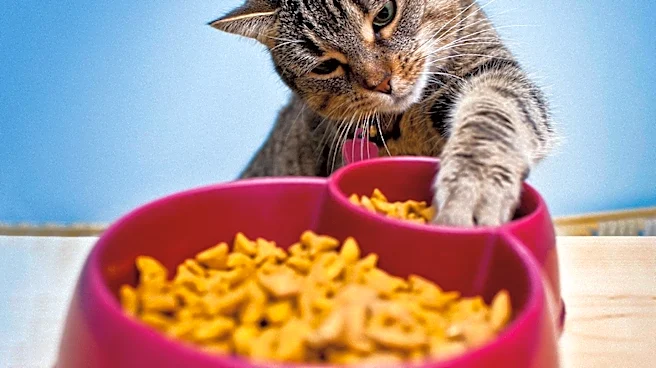
Beyond specific nutrients, the physical properties of cat food play a significant role in dental health. Cats fed a dry food diet generally exhibit better oral health, with less dental disease and tartar accumulation, compared to those fed wet food. Similarly, incorporating dry commercially prepared cat food into a feeding program reduces tartar and gingival disease compared to home-prepared diets. The advantages of dry diets stem from their abrasive properties; the texture and patterning of kibble mechanically scrape teeth, aiding in plaque removal. High levels of dietary fiber contribute to this texture and promote chewing, increasing contact with the teeth. These positive effects are not exclusive to diets specifically marketed for dental health but are inherent in many dry pet food formulations.
Kibble size is another important factor. Increasing kibble size can significantly decrease tartar buildup, as larger kibbles necessitate more chewing, thereby enhancing the mechanical cleaning action. While some homemade raw diets advocate for feeding meaty, raw bones to mechanically break down plaque and tartar, this practice carries substantial risks, including microbial and bacterial growth leading to spoilage, and the potential for tooth fractures. To help pet owners identify effective dental products, the Veterinary Oral Health Council (VOHC), run by the American Veterinary Dental College, validates dental health claims made by food and treat manufacturers. Products bearing the VOHC seal of approval have undergone rigorous review, ensuring their clinical efficacy in reducing tartar and/or plaque, providing a reliable indicator for consumers seeking to support their cat's oral health through diet.