



Track cycling is a specialized bicycle racing sport that takes place in a velodrome, distinguishing itself through unique equipment and strategic race formats. The sport is broadly divided into two main categories: sprint races and endurance races. Riders typically specialize in one category, rarely competing in both, due to the distinct physical demands and tactical approaches required. This specialization is reflected in everything from training
regimens to the specific design of the track bicycles used, which are optimized for the unique conditions of velodrome racing.
Specialized Equipment for Peak Performance
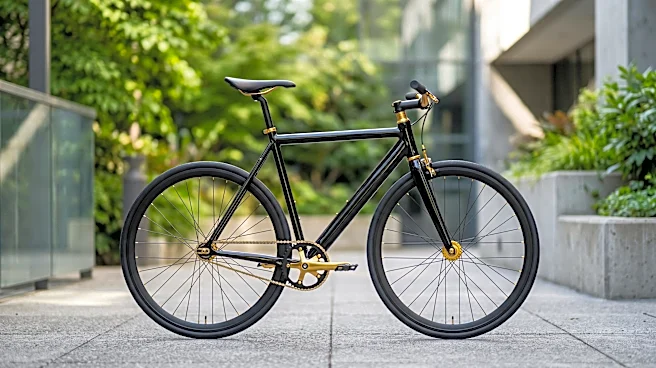
The bicycles used in track cycling are highly specialized, designed to maximize speed and efficiency on the velodrome. These are fixed-gear bicycles, meaning they lack a freewheel, so the pedals are always in motion when the wheels are turning. Crucially, they also do not have brakes, relying instead on the rider's ability to slow down by resisting the pedals. The bikes feature narrow tires inflated to high pressure, which minimizes rolling resistance on the smooth track surface. Both the frame and other components are engineered for rigidity and lightness, ensuring that every ounce of power generated by the rider is efficiently transferred to the track, whether for a short, explosive sprint or a longer, sustained endurance effort.
Sprint Races: Power, Tactics, and Precision
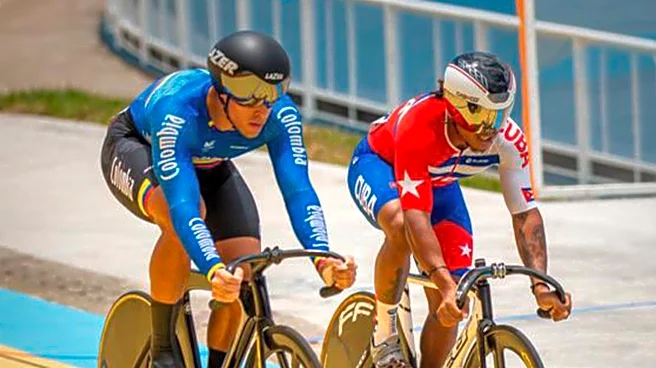
Sprint races are generally short, typically ranging from 3 to 8 laps, and demand raw sprinting power combined with intricate race tactics. Unlike many other cycling events, sprint races often involve a significant amount of tactical maneuvering in the early stages. Riders may pedal slowly, carefully jockeying for position, sometimes attempting to force opponents higher on the track to make them initiate the first move. A unique maneuver seen in sprint cycling is the "track stand," where a rider brings their bicycle to a complete stop, balancing upright with both feet on the pedals and hands on the handlebars, in an attempt to make the opposing rider take the lead. This tactical pause can only be held for a limited time, and riders are not permitted to move backward.
The strategic importance of aerodynamics is paramount in sprint racing. The rider who can stay just behind an opponent benefits from drafting, expending less effort by reducing aerodynamic drag. The trailing rider can then use their fresher legs to pull out of the slipstream and attempt to overtake before the finish line. To counter this, the leading rider might accelerate rapidly before the final lap, aiming to catch their opponent off guard or establish a lead that negates the drafting advantage. During the race, riders may hug the measurement line on the inside of the track for the shortest path or use the sprinter's line (a red line 85 cm up the track) to control their opponent's position. Once the sprint is initiated, riders must maintain their lane or have a clear lead before changing position.
Endurance Races and Time Trials
While the source text does not detail specific endurance events, it does categorize them as distinct from sprint races, implying different strategic and physical demands. The track time trial, however, is explicitly mentioned as a key event. In this discipline, cyclists compete individually against the clock to achieve the fastest time over a specified distance, starting from a standing start. Time trial bikes differ from standard track bikes by often incorporating disc or 3-5 spoked wheels and aero-bars, which allow the rider to adopt a more aerodynamic position. Frames are also more streamlined to further reduce air resistance. The men's event, often called the 'Kilo,' covers 1000 meters, while the women's version is 500 meters. Riders typically stay on the black line at the bottom of the track to cover the minimum distance, and the winner is simply the rider with the quickest time, often with only one attempt to set it.