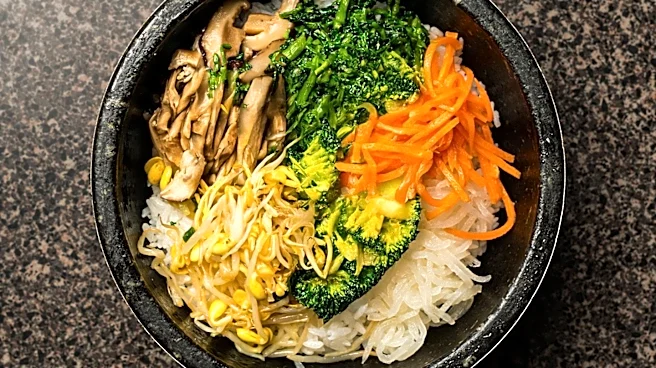







Bibimbap is more than just a popular Korean dish; it is a cultural symbol that reflects the rich traditions and social practices of Korea. This mixed rice dish, often topped with vegetables, meat, and a spicy chili paste, is a staple in Korean cuisine. Its origins and variations tell a story of Korean history and the adaptability of its people. Understanding bibimbap's cultural significance offers insight into Korean society and its culinary heritage.
Historical Roots and Evolution
The origins of bibimbap are not precisely known, but it is believed to have evolved from the traditional practice of mixing food offerings made during ancestral rites. This practice involved combining various side dishes with rice, a method that likely influenced the creation of bibimbap. Over time, bibimbap became a practical meal for farmers and ordinary people, especially during the farming season when quick and easy meals were necessary.
By the late 19th century, bibimbap was known by several names, reflecting its widespread popularity and regional variations. The dish was also served to Korean royalty, indicating its esteemed status in Korean culture. As Korea modernized, bibimbap continued to evolve, with different regions developing their unique versions, such as Jeonju, Jinju, and Tongyeong bibimbap.
Regional Variations and Ingredients
Bibimbap's versatility is one of its defining features, with numerous regional variations that highlight local ingredients and culinary traditions. Jeonju bibimbap, for example, is renowned for its use of high-quality ingredients and a specific preparation method that includes a variety of vegetables and beef. Jinju bibimbap often incorporates raw beef and a rich assortment of vegetables, while Tongyeong bibimbap is known for its seafood ingredients.
The dish's adaptability is also evident in its ingredients, which can include anything from sautéed vegetables and beef to raw fish and eggs. The use of gochujang, a spicy chili paste, adds a distinctive flavor that is central to the dish's identity. This flexibility allows bibimbap to be customized to suit different tastes and dietary preferences, making it a beloved dish across Korea and beyond.
Global Influence and Modern Popularity
In recent decades, bibimbap has gained international recognition, becoming a symbol of Korean cuisine worldwide. Its simplicity, affordability, and delicious taste have made it a favorite in many countries, particularly in the West. The globalization of Korean culture has further propelled bibimbap's popularity, with Korean restaurants and food chains offering the dish in various international locations.
Bibimbap's rise to global fame is also supported by its presence in international airports and airlines, where it is often served to travelers. This exposure has helped introduce the dish to a broader audience, contributing to its status as a culinary ambassador for Korea. As more people discover bibimbap, its cultural significance and unique flavors continue to captivate food enthusiasts around the world.