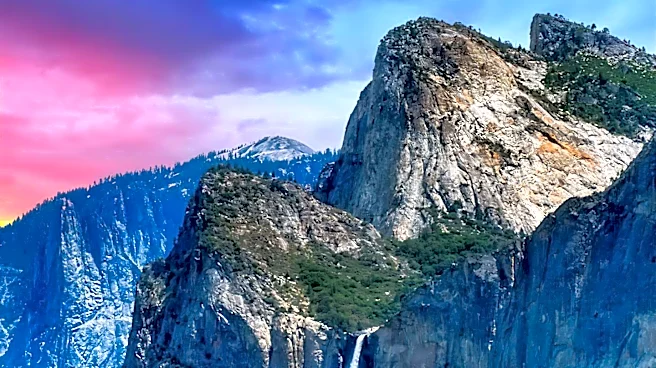








Yosemite National Park, located in California's Sierra Nevada, is renowned for its stunning landscapes and rich history. From its early days as a state-managed area to its establishment as a national park, Yosemite has played a crucial role in the conservation movement. This article traces the historical timeline of Yosemite National Park, highlighting key events and milestones that shaped its development.
The Early Days: Discovery and Exploration
The history of Yosemite Valley dates back
to the mid-19th century when it was first seen by non-Native Americans during the Mariposa Wars in 1851. The valley, inhabited by the Ahwahnechee people, was a place of awe and wonder for those who ventured into its depths. The first recreational visit to Yosemite Valley was organized by James Mason Hutchings in 1855, drawing national attention to the area's natural beauty.
In 1857, Gustavus Adolphus Hite filed a pre-emption claim in central Yosemite Valley, building the first permanent structure that would become Yosemite Village. Hutchings later purchased Hite's claim, further promoting the valley's attractions through publications and articles. These early efforts laid the groundwork for the preservation of Yosemite Valley and the Mariposa Grove.
The Yosemite Grant and State Management
A significant turning point in Yosemite's history came in 1864 with the passage of the Yosemite Grant Act. Signed by President Abraham Lincoln, the act granted Yosemite Valley and the Mariposa Grove to the state of California for public trust. This marked the first time a government set aside scenic lands for public enjoyment, setting a precedent for the national park system.
Under state management, Yosemite faced challenges in balancing conservation with increasing tourism. The appointment of Galen Clark as the first guardian of the grant helped ensure the protection of the valley and grove. However, the struggle to resolve homesteading claims and manage the growing number of visitors highlighted the need for a more comprehensive approach to conservation.
Establishment as a National Park
The establishment of Yosemite National Park in 1890 marked a new era in the park's history. Congress reclaimed the valley from state management, expanding the park's boundaries to include a larger territory. This move was influenced by the success of Yellowstone National Park, which had been established as the first national park in 1872.
In 1906, the state ceded Yosemite Valley and the Mariposa Grove to the federal government, ending the dual-jurisdiction arrangement. The creation of the National Park Service in 1916 further solidified Yosemite's status as a national park, ensuring its protection for future generations.
Today, Yosemite National Park stands as a testament to the vision of early conservationists and the enduring legacy of the Yosemite Grant. Its designation as a UNESCO World Heritage Site underscores its global significance and the importance of preserving natural landscapes for public enjoyment.