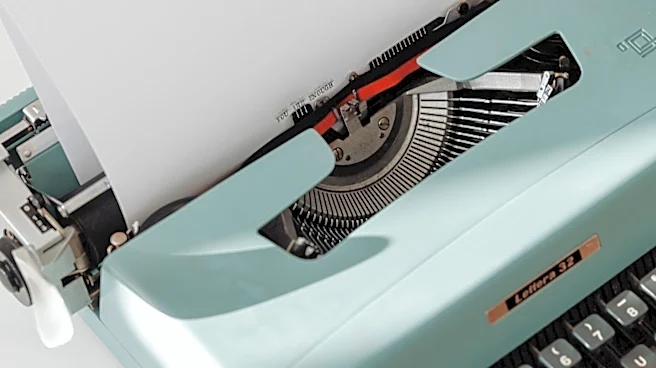







The motivation letter, also known as a cover letter or letter of introduction, has long been a staple in the job application process. Traditionally, it served as a personal introduction to accompany a resume or CV, highlighting a candidate's skills and interest in a particular job. However, with the advent of digital communication and social media, the role of the motivation letter has evolved significantly.
Historical Significance
Historically, motivation letters were an
essential part of the job application process. They allowed candidates to express their interest in a position and to elaborate on their qualifications in a way that a resume could not. The letter was a tool for candidates to structure their thoughts and present a compelling case for their candidacy. It was concise, personalized, and designed to capture the attention of recruiters, increasing the chances of securing an interview.
Despite its importance, the motivation letter has faced challenges over the years. As early as 2011, some organizations began questioning its utility, suggesting that it had lost its effectiveness. By 2017, while still present in many job postings, the motivation letter was often seen as optional, leaving candidates to decide whether to include it in their applications.
The Impact of Digital Communication
The rise of digital communication has significantly impacted the use of motivation letters. With the widespread adoption of email and online job applications, the traditional paper-based motivation letter has been increasingly replaced by electronic messages. This shift has led to a more streamlined application process, where candidates can quickly send their resumes and cover letters via email.
Moreover, professional social networks like LinkedIn have further diminished the need for traditional motivation letters. These platforms allow job seekers to showcase their skills and experiences through online profiles, making it easier for employers to assess candidates without the need for a separate letter. As a result, many job seekers now opt to send their online profiles instead of a traditional motivation letter.
The Future of Motivation Letters
Despite the decline in their use, motivation letters still hold value in certain contexts. They remain a useful tool for candidates to differentiate themselves in competitive job markets. A well-crafted motivation letter can convey a candidate's passion, personality, and potential contributions to a prospective employer, aspects that are not always evident in a resume.
As the job market continues to evolve, the motivation letter may adapt to new formats and technologies. While its traditional form may become less common, the underlying purpose of the motivation letter—to introduce and advocate for the candidate—will likely persist in some form. Whether through digital platforms or new communication methods, the essence of the motivation letter will continue to play a role in the job application process.