






Baddha Konasana, commonly known as the Bound Angle Pose, is a significant seated posture in hatha yoga. Its name is derived from Sanskrit, where "Baddha" means "bound," "Kona" translates to "angle," and "Asana" signifies "posture" or "seat." While the name Baddha Konasana itself is relatively modern, the pose's origins trace back to medieval times. It is recognized as a variation of the meditation seat Bhadrasana, which is described in the 15th-century
text *Haṭha Yoga Pradīpikā*. This pose is celebrated for its ability to deeply open the hips and groin, offering numerous physical benefits and making it a versatile practice within yoga.
Understanding the Pose: Description and Execution
The execution of Baddha Konasana begins from a seated position with both legs extended forward, hands resting by the sides with palms on the ground and fingers pointing forward. The practitioner then folds their legs at the knees, bringing the soles of the feet together. The feet are grasped at the ankles and drawn closer until the heels reach the perineum. As the heels approach the body, the knees are encouraged to move down towards the ground, ideally touching it with consistent practice. Throughout this process, the body is kept erect, and the gaze is directed forward.
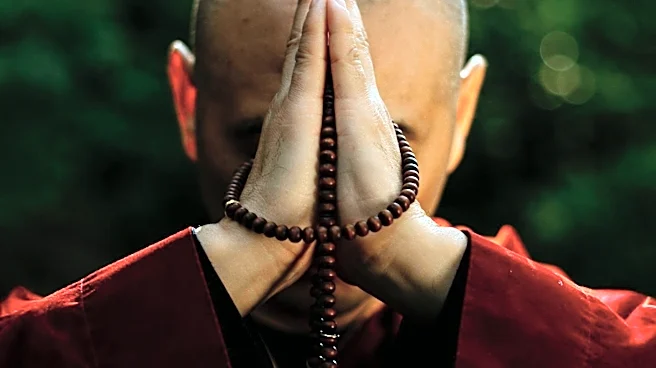
Maintaining an erect posture is crucial for proper alignment and to maximize the stretch. The pose is held for a period before returning to the initial outstretched leg position. It is important to stretch the thighs with care to avoid injury. When Baddha Konasana is adopted for meditation, the hands are often brought together in Anjali mudra, or prayer position, in front of the chest. This variation emphasizes the meditative aspect of the pose, fostering a sense of calm and focus.
Benefits and Practical Applications
Baddha Konasana is particularly noted for its strong opening of the hip and groin areas. This deep stretch can improve flexibility in these often-tight regions of the body. One of its unique characteristics is that it is one of the few yoga asanas that can be practiced comfortably soon after eating, with the exception of its forward-bending variation where the head rests on the floor. This makes it accessible at various times throughout the day, not just on an empty stomach.
The pose also holds specific benefits for pregnant women. B. K. S. Iyengar, in his influential work *Light on Yoga*, references Grantly Dick-Read's *Childbirth Without Fear*, highlighting that regular practice of Baddha Konasana can help reduce pain during delivery. This makes it a recommended posture for expectant mothers seeking to prepare their bodies for childbirth. However, practitioners with groin or knee injuries must take precautions; in such cases, the knees should be supported on folded blankets to prevent further strain or discomfort, ensuring a safe and beneficial practice.
Historical Context and Modern Practice
The historical roots of Baddha Konasana, as a medieval pose known as Bhadrasana, underscore its long-standing presence in yogic traditions. The description in the 15th-century *Haṭha Yoga Pradīpikā* indicates its importance as a meditation seat. This historical continuity highlights how ancient practices have evolved and been reinterpreted over centuries, leading to the modern understanding and naming of Baddha Konasana.
In contemporary yoga, Baddha Konasana remains a fundamental pose, often included in sequences for its hip-opening qualities and its accessibility. Its adaptability, whether as a preparatory pose, a meditative posture, or a therapeutic practice, solidifies its place in diverse yoga styles. The emphasis on careful stretching and proper support for injuries reflects a modern understanding of anatomy and safety within yoga practice, ensuring that the benefits of this ancient pose can be safely enjoyed by a wide range of individuals.