



On September 22, 1975, amidst the chaos of an assassination attempt on President Gerald Ford in San Francisco, a former Marine named Oliver Sipple emerged as an unlikely hero. His quick thinking and decisive action potentially saved the President's life, yet his heroism was soon overshadowed by the public revelation of his private life, leading to a complex and challenging period for Sipple. This incident not only highlighted the bravery of an individual
but also sparked a significant discussion about privacy and the media's role in reporting personal details.
A Veteran's Instinctive Action
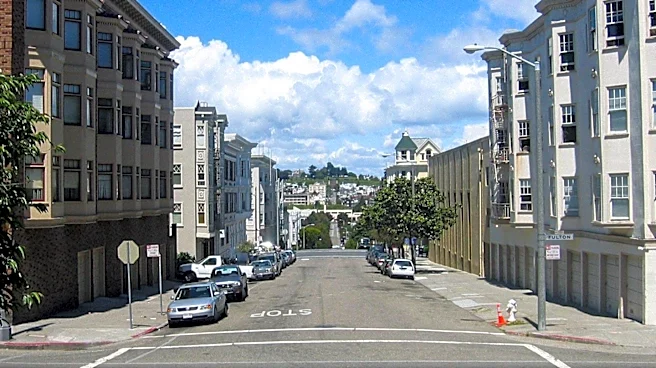
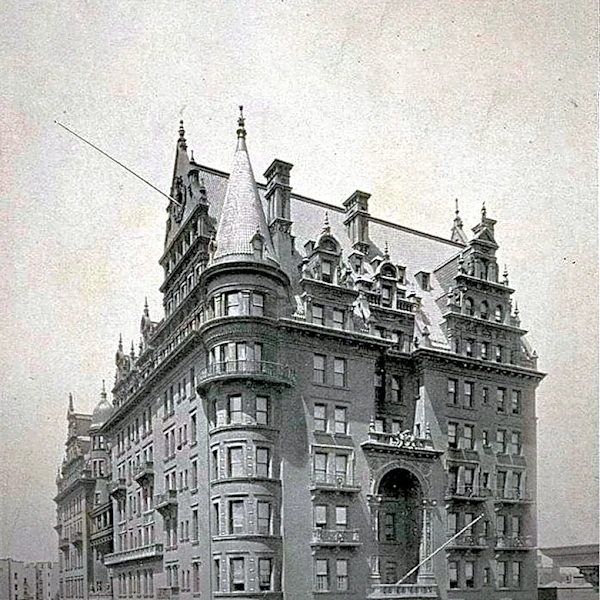
Oliver Wellington "Billy" Sipple, a decorated U.S. Marine and disabled Vietnam War veteran, was part of a crowd of approximately 3,000 people gathered outside San Francisco's St. Francis Hotel. They were there to see President Ford, who had just concluded a speech to the World Affairs Council. As Sara Jane Moore fired her .38 Special revolver at the President, narrowly missing him, Sipple's military training and instincts kicked in.
Standing about 40 feet from Ford, Sipple witnessed Moore raise her arm to fire a second shot. Without hesitation, he dove toward her and grabbed her arm. This intervention caused the gun to discharge again, but the bullet ricocheted and superficially wounded a taxi driver, John Ludwig, rather than striking the President. Sipple's immediate response was crucial; he prevented Moore from taking another direct shot at Ford, an act that U.S. District Judge Samuel Conti later suggested would have been fatal had Moore's gun been functioning correctly.
The Unveiling of a Private Life
In the immediate aftermath, initial news reports correctly identified Sipple as a former Marine and a hero. However, they did not mention his sexual orientation. While Sipple was known within the San Francisco gay community and had participated in gay pride events, he had kept his homosexuality a secret from his family and employer. He specifically asked the press to keep this aspect of his life off the record.
Despite his request, the day after the incident, San Francisco Chronicle columnist Herb Caen received phone messages identifying Sipple as gay. One message came from Reverend Ray Broshears, head of the gay activist group the Lavender Panthers, and another from local gay activist Harvey Milk, a friend of Sipple's who Sipple had worked for on a city council campaign. Milk saw an opportunity to portray Sipple as a "gay hero," aiming to challenge the stereotype of homosexuals as "timid, weak and unheroic figures." He reportedly told a friend, "It's too good an opportunity. For once we can show that gays do heroic things, not just all that caca about molesting children and hanging out in bathrooms."
Public Scrutiny and Its Aftermath
Caen, unable to reach Sipple, published an article two days after the thwarted assassination attempt, identifying Sipple as a gay man and a friend of Harvey Milk. He speculated that President Ford's commendation to Sipple was offered "quietly" due to Sipple's sexual orientation. This publication led to Sipple being besieged by reporters, and his family, including his mother, reacted negatively, with his mother reportedly refusing to speak to him and disparaging him. Reporters labeled Sipple the "gay ex-Marine," and he eventually had to hide in a friend's apartment to avoid the intense media scrutiny.
Gay liberation groups petitioned local media to acknowledge Sipple's heroism fully. Harvey Milk further suggested that the reason Sipple received only a letter of thanks from President Ford, rather than an invitation to the White House, was because of his sexual orientation. Sipple subsequently filed a $15-million invasion of privacy lawsuit against Caen, seven named newspapers, and other publishers. However, in 1984, a state court of appeals ruled that Sipple had become newsworthy, and his sexual orientation was considered part of the story. Oliver Sipple, who lived with a merchant seaman in a fourth-floor walk-up apartment in San Francisco's Mission District, later spent time in a VA hospital and was frequently readmitted in 1975, the year he saved Ford's life.