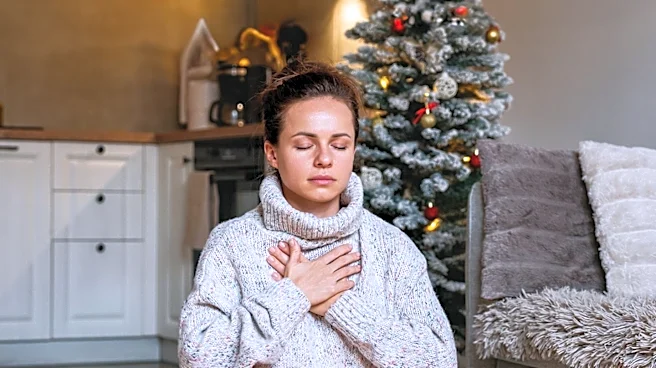



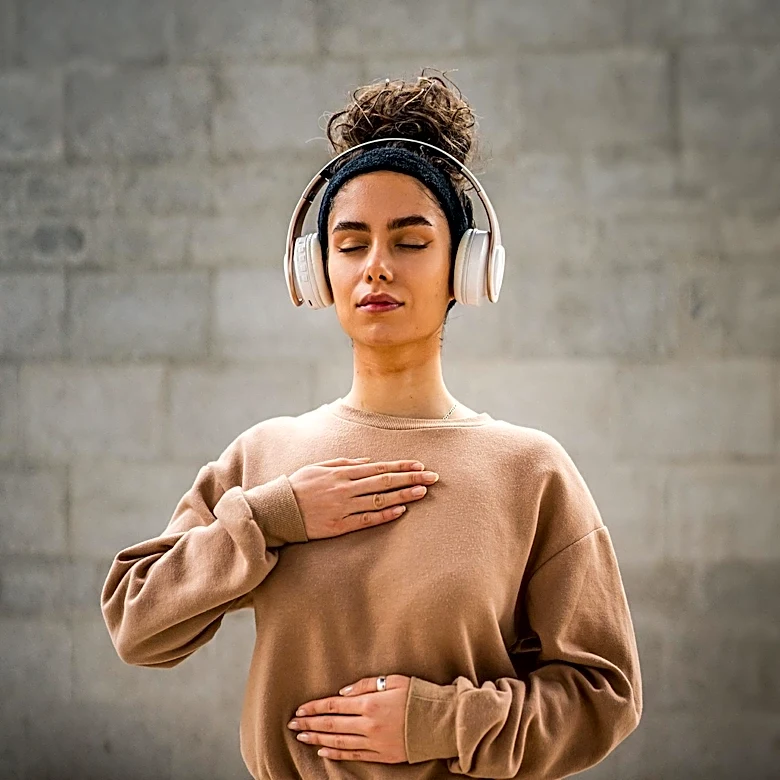




Conscious breathing, the deliberate act of focusing awareness on and controlling the breath, is a practice with remarkably diverse applications. Far from being confined to a single discipline, these techniques are employed across a spectrum of human endeavors, ranging from ancient spiritual traditions to modern therapeutic interventions and artistic performance. This widespread adoption underscores the profound impact that mindful breath regulation
can have on physical health, mental states, and even creative expression, demonstrating its versatility and enduring relevance in both traditional and contemporary settings.
Enhancing Physical Performance and Protection
In martial arts, conscious breathing plays a crucial role in enhancing physical capabilities and providing protection. Practices like tai chi and qigong integrate breathing exercises to strengthen diaphragm muscles and improve posture, which in turn is believed to make better use of the body's *qi*. A notable technique, reverse breathing, common in qigong, baguazhang, and various kung fu styles, involves contracting the abdomen and expanding the thoracic cage during inhalation, and then gently compressing it during exhalation. This method is thought to activate healing and protective *qi*. Furthermore, by expanding the abdomen while delivering a technique, martial artists believe they can protect their internal organs from counterattacks, illustrating a practical application of breath control for physical defense.
Physical therapy also utilizes conscious breathing, particularly for respiratory conditions. The Buteyko method, for instance, is an alternative therapy that focuses on nasal breathing, relaxation, and reduced breathing to treat asthma and other respiratory issues. Proponents suggest these techniques increase nitric oxide in the lungs, which helps dilate airways, and prevent excessive carbon dioxide exhalation, thereby improving oxygen metabolism. While advocates claim it can reduce symptoms and medication reliance for conditions like asthma and chronic obstructive pulmonary disease (COPD), the medical community maintains a cautious stance due to limited evidence supporting these claims.
Cultivating Mindfulness and Altered States of Consciousness
Meditation traditions extensively employ conscious breathing for cultivating mindfulness and achieving deeper states of awareness. Yoga's *pranayama* involves specific breathing exercises that practitioners believe elevate life energies. In Buddhist meditation, *vipassanā* uses *anapanasati*, or mindfulness of breathing, as a core practice. This involves focusing on inhalation and exhalation to develop mindfulness, analysis, persistence, rapture, serenity, unification of mind, and equanimity, ultimately aiming for release from suffering and the attainment of nirvana. This practice is fundamental in Theravada, Tiantai, and Chan Buddhist traditions, serving as a primary method for contemplating bodily phenomena.
Beyond traditional meditation, New Age breathwork practices, which emerged in the late 1960s and early 1970s, also leverage conscious breathing to access altered states of consciousness. Holotropic Breathwork, developed by psychiatrist Stanislav Grof, uses deepened breathing for this purpose. Similarly, Rebirthing-breathwork, created by Leonard Orr, employs conscious breathing to purge repressed birth and traumatic childhood memories. These practices are based on the premise that controlled breathing can influence mental, emotional, and physical states, offering a therapeutic effect, though their efficacy is still debated within the medical community.
Breath Control in Musical Performance
In the realm of music, conscious breathing is indispensable for wind instrument players and singers. Circular breathing is a specialized technique that allows wind instrumentalists to produce a continuous tone without interruption. This is achieved by inhaling through the nose while simultaneously expelling air from the mouth using air stored in the cheeks. Singers, too, must master conscious breath control, moving beyond the natural three stages of breathing to a more controlled four-stage process: inhalation, suspension, controlled exhalation (phonation), and recovery. This conscious management is vital for vocal health and performance, as abandoning these controls prematurely can lead to chronic vocal problems.