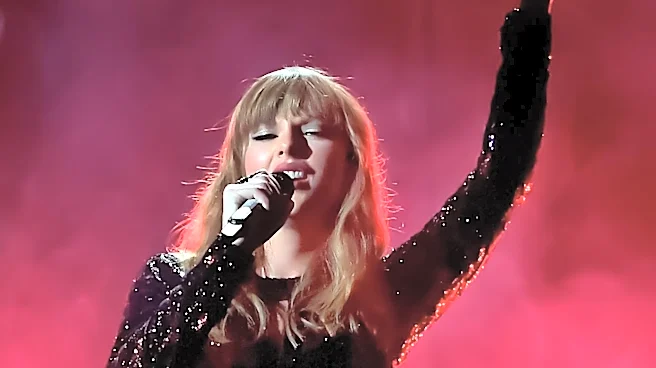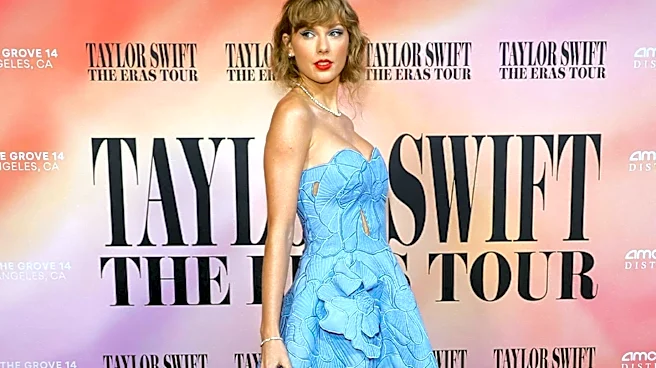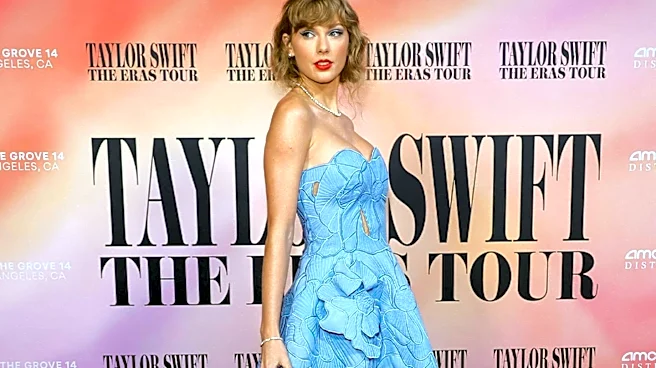





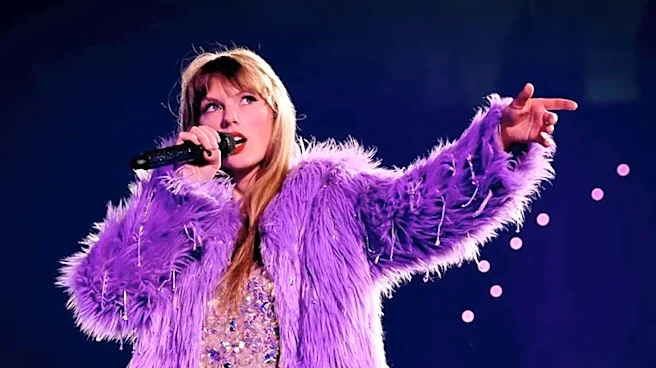

The sale of tickets for Taylor Swift's 2023 Eras Tour in the United States became a major controversy in November 2022, primarily due to significant operational blunders by Ticketmaster and its parent company, Live Nation Entertainment. The incident, widely dubbed the "Taylor Swift–Ticketmaster fiasco," exposed critical vulnerabilities in the ticketing system when faced with unprecedented demand. This event not only frustrated millions of fans but
also triggered a wave of public criticism and political scrutiny, highlighting the complexities and challenges of managing high-stakes ticket sales in the digital age.
Astronomical Demand Overwhelms the System
The demand for Eras Tour tickets was nothing short of "astronomical," with 3.5 million people registering for Ticketmaster's Verified Fan pre-sale program in the U.S. This level of interest was unprecedented, setting the stage for potential system strain. The pre-sale, which began on November 15, 2022, quickly turned chaotic. Within an hour of going online, the Ticketmaster website crashed, leaving users either logged out or stuck in frozen queues. Despite these widespread technical issues, an impressive 2.4 million tickets were sold, breaking the record for the highest single-day ticket sales ever by an artist.
Ticketmaster attributed the crash to "historically unprecedented demand with millions showing up," stating that their servers were "unable to answer" the sheer volume of requests. Live Nation echoed this, blaming Swift's "staggering" demand for overwhelming their capacity. The company reported experiencing "3.5 billion total system requests"—four times their previous peak. This immense traffic, combined with the presence of bots without presale codes, led to a decision to slow down the sale by waitlisting more customers, which inadvertently prolonged queues and waiting times for legitimate fans.
Immediate Responses and Explanations
In the immediate aftermath of the website crash, Ticketmaster published a statement acknowledging the issues and stating they were working to fix them, admitting the site was "unprepared to accommodate the sheer force of hundreds of thousands of Swift fans." They subsequently reported that "hundreds of thousands of tickets" had already been sold and postponed the remainder of the presale, including the Capital One presale, to November 16. However, the public on-sale, originally scheduled for November 18, was later canceled entirely due to "extraordinarily high demands on ticketing systems and insufficient remaining ticket inventory to meet that demand."
Greg Maffei, chairman of Live Nation Entertainment, spoke to CNBC on November 16, claiming Ticketmaster had prepared for 1.5 million verified fans but was met with 14 million. He asserted, "we could have filled 900 stadiums." Ticketmaster's detailed statement explained that while 3.5 million fans pre-registered, only 1.5 million were initially allowed to purchase, based on an assumption that only 40% of invited fans typically buy tickets. The overwhelming number of fans and bots, however, quickly invalidated these projections, leading to the system's collapse.
Addressing the Aftermath and Remaining Inventory
Following the initial chaos, Ticketmaster faced widespread criticism for its ticketing model, which many fans felt obstructed purchasing. The *New York Times* declared that the ticket sale failure "broke the internet," with "Ticketmaster" trending globally on social media platforms. Critics pointed to Ticketmaster's "oft-confusing multistep buying process plagued with additional fees," as well as "long waits, technical problems, and poor customer service."
On December 12, 2022, Ticketmaster initiated a second ticket-purchasing opportunity for select registered fans who had received a boost during the Verified Fan presale but had not yet bought tickets. These fans were allowed to purchase a maximum of two tickets each, a move Ticketmaster stated was requested by Swift's team. To manage the sale of the remaining 170,000 unsold seats, Ticketmaster opted to sell them over four weeks through Ticketstoday, a platform originally built for the Dave Matthews Band's fan club and later acquired by Live Nation. This strategy aimed to "significantly reduce fan wait times" and avoid further high website traffic, demonstrating an attempt to mitigate future operational failures.