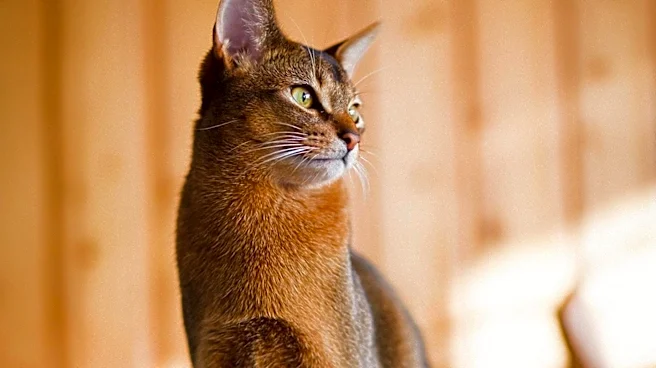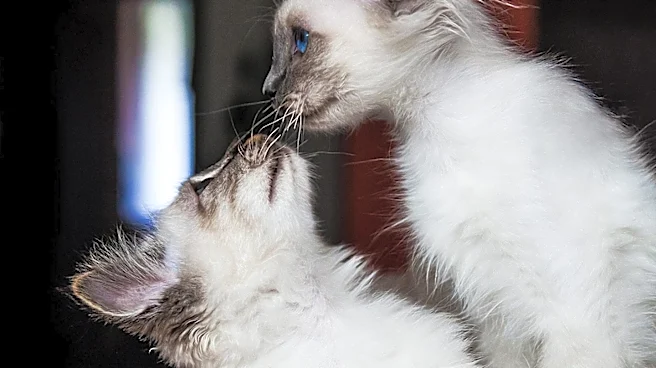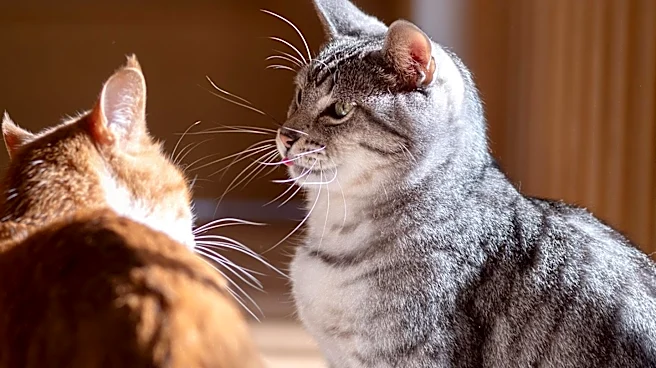









Cats, much like humans, exhibit a wide range of personalities, influenced by genetics, early experiences, and ongoing interactions. These individual differences shape how they socialize with other cats, respond to humans, and adapt to their environment. Understanding the nuances of feline personality and the critical role of socialization can significantly impact the quality of life for both cats and their human companions. From the shy and anxious
to the active and affectionate, each cat brings a unique set of traits to the household, making the study of their behavior a continuous journey of discovery.
The Spectrum of Feline Personality Traits
Recent studies have identified 52 measured personality traits in cats, which can be grouped into five reliable factors: neuroticism, extroversion, dominance, impulsiveness, and agreeableness. These factors provide a framework for understanding the diverse temperaments found within the feline population. Cats high in neuroticism tend to be shy, stressed, anxious, insecure, and tense; these individuals often thrive in quiet environments with ample hiding places. Extroverted cats are active, curious, inventive, smart, and vigilant, benefiting from extra toys, sensory items, and space to run to prevent boredom.
Dominant cats may exhibit bullying or aggressive behaviors, suggesting they might be best suited as the sole pet in a household to prevent harm to other animals. Impulsive cats are characterized as reckless, erratic, and impulsive, often requiring a calmer environment with predictable routines to feel secure. Finally, agreeable cats are affectionate, friendly, and gentle, typically being well-adjusted and happy companions. Recognizing these personality traits can help owners tailor their care and environment to better suit their cat's individual needs, fostering a more harmonious relationship.
The Critical Role of Socialization
Socialization, defined as learning to be part of a specific group, is a continuous process for cats, enabling them to acquire the necessary skills and behaviors for their social position. While many cat species are thought to be solitary, domestic cats do participate in social behaviors, especially in colonies formed for protection or food availability. Socialization with humans is particularly crucial, with kittens aged three to nine weeks being most sensitive to this process. Early and frequent handling by many people during this period leads to less fearful cats in adulthood. The presence of a comfortable mother cat also plays a vital role, as kittens are observational learners and will be less anxious if their mother is at ease around humans.
Feral kittens between two and seven weeks old can often be socialized within a month of capture. The process is aided by the presence of another socialized cat, even if not in the same immediate space. Initial contact with thick gloves is recommended until trust is established. Socializing adult feral cats is more challenging, as they tend to trust only those they encountered during their critical socialization period and may remain fearful of strangers. Effective socialization, especially during kittenhood, is key to developing well-adjusted cats that can form strong bonds with humans.
Building Bonds and Addressing Behavioral Challenges
Cats provide numerous physiological and psychological benefits to their owners, contributing to the human-cat bond. Their natural hygiene and use of litter boxes make them convenient pets, and their ability to thrive in smaller spaces and tolerate being left alone for extended periods makes them ideal companions for many lifestyles. One common way cats interact with humans is through