






Spiritual retreats have been a part of human culture for centuries, offering individuals a chance to step away from their daily lives and focus on their spiritual growth. These retreats have evolved over time, adapting to the needs and practices of different religious traditions. This article explores the historical evolution of spiritual retreats and examines the modern variations that have emerged across different faiths.
Historical Roots of Spiritual Retreats
The concept of retreating
for spiritual purposes is ancient, with roots in various religious traditions. In Buddhism, the practice of retreats dates back to the time of Gautama Buddha, who established the Vassa, or rainy season retreat, as a time for monks to gather and focus on their spiritual practices. This tradition laid the foundation for the importance of retreats in Buddhist practice, providing a structured environment for meditation and reflection.
In Christianity, the practice of spiritual retreats can be traced back to the early days of the faith, with figures like the Desert Fathers withdrawing to the desert for solitude and prayer. The modern concept of retreats was further developed in the 1520s with St. Ignatius of Loyola's Spiritual Exercises, which provided a structured approach to spiritual reflection and prayer. This practice gained popularity within the Catholic Church and has since spread to other Christian denominations.
Modern Variations of Spiritual Retreats
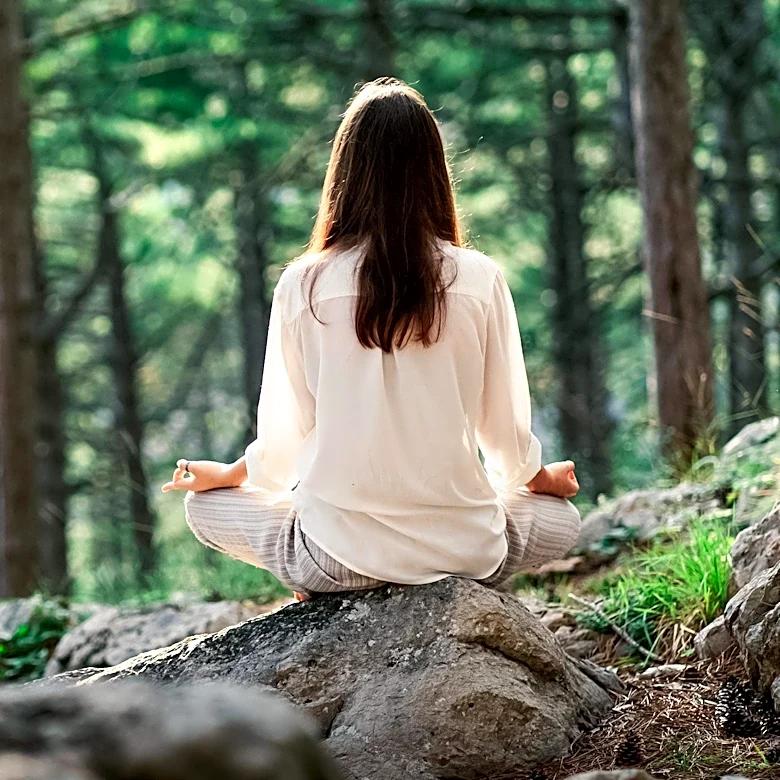
Today, spiritual retreats have evolved to include a wide range of practices and settings, catering to the diverse needs of individuals seeking spiritual growth. In addition to traditional religious retreats, there are now wellness retreats, mindfulness retreats, yoga retreats, and more, each offering a unique approach to spiritual exploration.
These modern retreats can vary in length and structure, from short weekend getaways to extended stays at dedicated retreat centers. They may include a variety of activities, such as meditation, yoga, group discussions, and teachings, providing participants with opportunities for learning and personal growth. The goal is to create a supportive environment where individuals can focus on their spiritual journey and gain a deeper understanding of themselves and their beliefs.
The Continued Relevance of Spiritual Retreats
In a world that is often fast-paced and filled with distractions, the opportunity to participate in a spiritual retreat can be a transformative experience. Retreats offer a chance to slow down, reflect, and reconnect with one's spiritual path, providing a sense of renewal and inner peace.
The popularity of retreats continues to grow, with many people seeking out these experiences as a way to escape the demands of daily life and focus on their personal growth. Whether rooted in ancient traditions or modern practices, spiritual retreats offer a valuable opportunity for individuals to deepen their understanding of themselves and their place in the world. As the world continues to change, the timeless appeal of spiritual retreats remains, offering a space for reflection, renewal, and transformation.