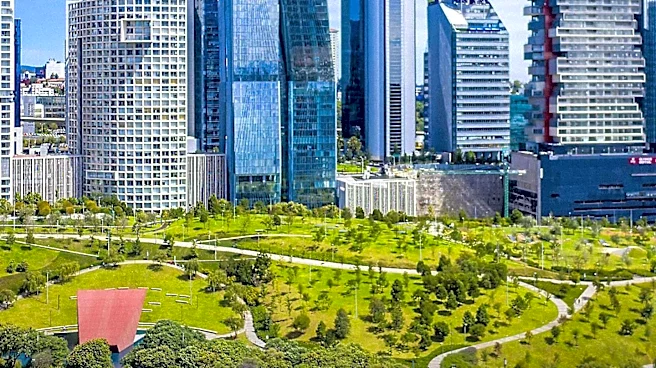









Millennium Park in Grand Rapids, Michigan, stands as a remarkable example of urban connectivity and development. As the largest urban park in West Michigan, it spans an impressive 1,500 acres and serves as a vital link between four major cities: Grand Rapids, Wyoming, Grandville, and Walker. This park is not only a recreational haven but also a symbol of regional collaboration and vision.
The Genesis of Millennium Park
The idea for Millennium Park began in 1998, spearheaded by Roger
Sabine, the Parks Department director. Initially, the plan was to expand Johnson Park, but Sabine's vision grew into a much larger project. The proposal was submitted to the Secchia Millennium Commission, which approved the ambitious plan to create a 1,500-acre park. The Kent County Board of Commissioners named the park Millennium Park, and it celebrated its grand opening in July 2004.
The park's development involved transforming former gypsum mines and gravel pits, including the Domtar mine, into a sprawling urban oasis. Despite its industrial past, the park now offers a diverse range of landscapes and activities, making it a popular destination for residents and visitors alike.
Connecting Communities and Nature
Millennium Park's strategic location and size make it a key connector of urban spaces in West Michigan. By linking Grand Rapids, Wyoming, Grandville, and Walker, the park fosters a sense of community and shared identity among these cities. It serves as a green corridor that encourages outdoor activities and environmental appreciation.
The park's design includes trails, picnic areas, and a beach, providing ample opportunities for recreation and relaxation. Its expansive area allows for a variety of activities, from hiking and biking to swimming and fishing. Millennium Park's role as a connector is further enhanced by its accessibility, drawing people from different communities to enjoy its natural beauty and amenities.
A Model for Urban Parks
Millennium Park's success as an urban connector and recreational space sets a precedent for other cities looking to enhance their green spaces. The park's development demonstrates the importance of regional collaboration and visionary planning in creating spaces that benefit both the environment and the community.
As Millennium Park continues to evolve, it remains a vital part of West Michigan's landscape, offering a place for people to connect with nature and each other. Its legacy is one of transformation and connectivity, serving as a model for urban parks that prioritize community engagement and environmental stewardship.