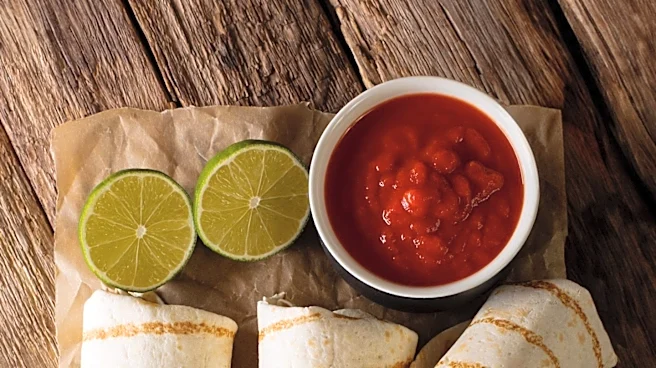











Burritos have become a symbol of cultural exchange and culinary innovation, bridging the gap between Mexican and American cuisines. This article delves into the cultural significance of burritos, exploring how they have become a beloved dish in both Mexico and the United States, and how they continue to influence food culture across borders.
A Mexican Staple with Regional Variations
In Mexico, burritos are a traditional food, particularly in the northern regions. They are typically small and
filled with simple ingredients such as meat, beans, and cheese. The burrito's origins in Mexico are deeply rooted in regional culinary practices, with variations like the burro percherón in Sonora and the chivichanga, a fried version similar to the chimichanga.
Despite their popularity in northern Mexico, burritos are less common in other parts of the country, where corn tortillas are more prevalent. In Central and Southern Mexico, burritos are often referred to as tacos de harina, highlighting the use of wheat flour tortillas. This regional distinction underscores the diverse culinary landscape of Mexico and the burrito's place within it.
The Americanization of the Burrito
The burrito's journey to the United States marked a significant turning point in its cultural impact. In the U.S., the burrito has been embraced and transformed, becoming a staple of Tex-Mex cuisine. The introduction of the Mission burrito in San Francisco in the 1960s and 1970s exemplifies this transformation, with its large size and inclusion of rice and other ingredients.
The Americanization of the burrito has led to the creation of numerous variations, each reflecting regional tastes and preferences. From the California burrito, filled with carne asada and French fries, to the sushi burrito, a fusion of Japanese and Mexican flavors, the burrito has become a canvas for culinary creativity.
A Global Culinary Icon
Today, the burrito is more than just a dish; it is a cultural icon that represents the blending of traditions and flavors. Its popularity has spread beyond Mexico and the United States, with burrito-inspired dishes appearing in various cuisines around the world. This global influence highlights the burrito's versatility and its ability to adapt to different culinary contexts.
The cultural impact of burritos is a testament to their enduring appeal and their role as a symbol of culinary innovation. As they continue to evolve and inspire new creations, burritos remain a beloved dish that transcends borders and brings people together through the universal language of food.