







What is the story about?
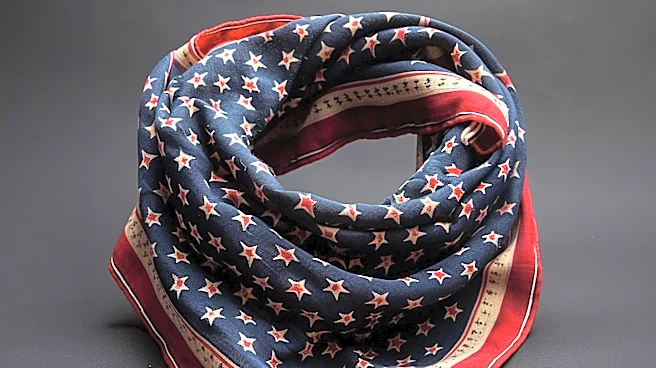
The cravat, a seemingly simple neckband, has left an indelible cultural footprint across centuries, evolving from a practical military accessory to a potent symbol of fashion, status, and even national identity. Its journey began with soldiers in 16th-century Venice and gained widespread recognition through Croatian mercenaries, eventually becoming a defining element of European aristocratic dress. This evolution showcases how an item of clothing
can transcend its initial function to become deeply embedded in cultural narratives and sartorial traditions.
Early Cultural Significance: Military and Status
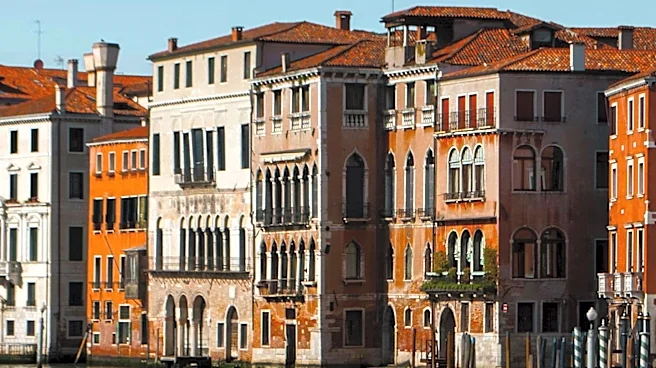
Before its widespread adoption in France, an early form of the cravat was already present in 16th-century Venice. Professional soldiers from Dalmatia, known as Schiavoni or Oltramarini, wore a cravat-like scarf called a *fazzoletto* as part of their uniform while serving as naval infantry and guards to the Doge of Venice. This early instance suggests a cultural association with military discipline and official duty, marking the neckwear as part of a distinguished uniform.The true cultural explosion of the cravat, however, occurred in the 17th century when Croatian mercenaries, known as