






The Torrijos-Carter Treaties, signed in 1977, were a landmark in the history of the Panama Canal, setting the stage for Panama to gain full control by the end of 1999. However, the path from signing to implementation was complex, involving significant political maneuvering and logistical planning. This article explores the ratification process and the steps taken to implement these historic treaties.
The Ratification Process
Following the signing of the Torrijos-Carter Treaties,
both Panama and the United States faced the challenge of ratifying the agreements. In Panama, a referendum was held on October 23, 1977, where 67.4% of voters approved the treaties. This high level of voter turnout, at 96%, was unprecedented in Panama's history and demonstrated the importance of the issue to the Panamanian people.
In the United States, the ratification process was more contentious. The U.S. Senate debated the treaties extensively, with concerns about the implications for U.S. security and interests. Ultimately, the Senate approved the treaties in 1978, with the Neutrality Treaty passing on March 16 and the Panama Canal Treaty on April 18. Both votes were close, reflecting the divided opinion in the U.S. about relinquishing control of the canal.
Steps Toward Implementation
Once ratified, the focus shifted to implementing the treaties' provisions. The most immediate consequence was the dissolution of the Canal Zone as a U.S. entity on October 1, 1979. This marked the beginning of a 20-year transition period during which Panama gradually assumed control over the canal's operations and defense.
The Panama Canal Commission was established to oversee the canal during this transition. This binational body included representatives from both the United States and Panama, ensuring that both nations had a say in the canal's management. The commission was responsible for training Panamanian personnel and ensuring a smooth transfer of responsibilities.
Final Transfer and Legacy
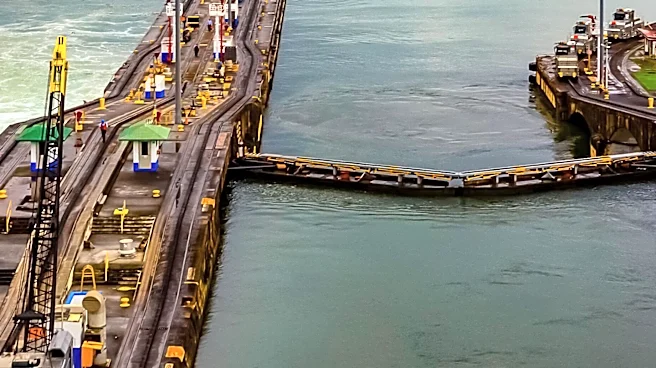
The final phase of the treaties' implementation occurred on December 31, 1999, when Panama assumed full control of the canal. This transfer included the handover of nearly 370,000 acres of land and thousands of buildings, including military facilities and residential areas. The transition was completed without major incidents, marking a successful conclusion to a complex diplomatic process.
The implementation of the Torrijos-Carter Treaties is considered a significant achievement in international diplomacy. It demonstrated that complex geopolitical issues could be resolved through negotiation and cooperation. The successful transfer of the Panama Canal to Panamanian control has allowed the country to benefit economically and politically, while the canal continues to serve as a vital link in global trade.