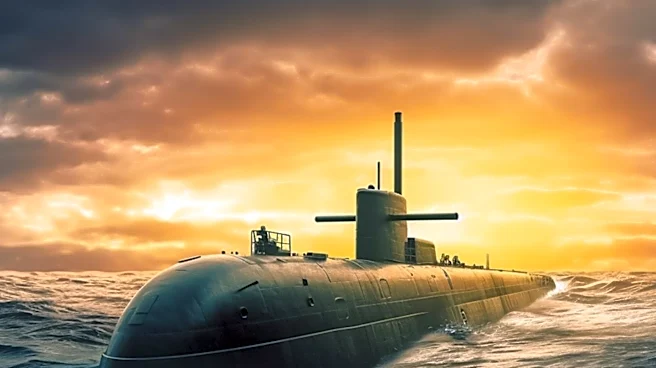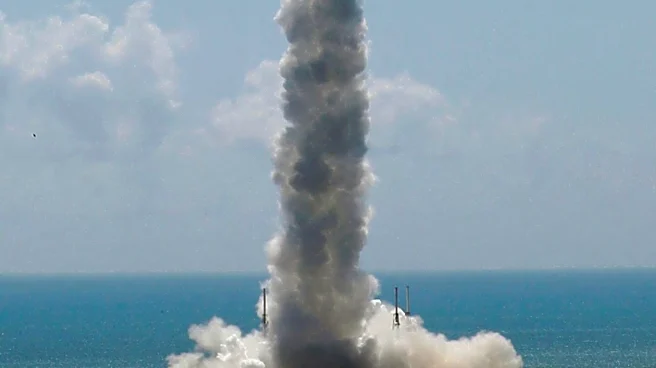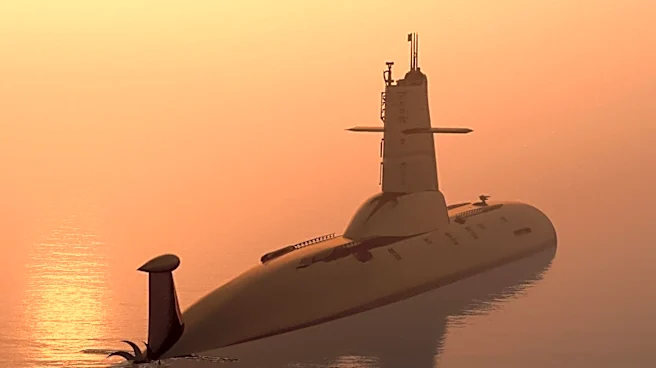




The USS Nautilus (SSN-571) was more than just a submarine; it was a symbol of technological innovation and strategic prowess during the Cold War. As the world's first nuclear-powered submarine, the Nautilus represented a significant leap forward in naval engineering. Its capabilities were showcased during Operation Sunshine, a mission that underscored the United States' technological edge over the Soviet Union.
The Birth of a Technological Pioneer
The Nautilus was authorized in 1951,
with construction beginning the following year. It was launched in January 1954, marking a new era in submarine technology. The brainchild of Admiral Hyman G. Rickover, known as the "Father of the Nuclear Navy," the Nautilus was designed to operate submerged for extended periods, a feat impossible for conventional diesel-electric submarines.
The submarine's nuclear reactor allowed it to travel to previously unreachable locations, breaking numerous records in its early years. This capability was crucial during the Cold War, as it enabled the U.S. Navy to conduct operations without the need for frequent surfacing, reducing the risk of detection by enemy forces.
Operation Sunshine: A Strategic Showcase
Operation Sunshine was a strategic response to the Soviet Union's advancements in rocket technology. The successful launch of Sputnik had created a perception of Soviet superiority, prompting the United States to demonstrate its own technological capabilities. The Nautilus was chosen for this mission due to its advanced nuclear propulsion system.
The mission involved a submerged transit under the North Pole, a feat that had never been accomplished before. Despite initial setbacks, including a failed attempt in 1957, the Nautilus successfully completed the mission in August 1958. This achievement not only demonstrated the submarine's capabilities but also served as a powerful symbol of American innovation.
Lasting Impact and Legacy
The success of the Nautilus had a profound impact on naval strategy and submarine design. It highlighted the advantages of nuclear propulsion, leading to the development of more advanced submarines capable of extended submerged operations. The Nautilus's journey under the North Pole also reinforced the importance of technological innovation in maintaining strategic superiority during the Cold War.
Today, the USS Nautilus is preserved as a museum ship, allowing visitors to explore its storied history. Its legacy continues to inspire advancements in submarine technology, serving as a reminder of the ingenuity and determination that defined the Cold War era. The Nautilus remains a testament to the power of innovation in shaping the future of naval warfare.