


The Paul Winter Sextet emerged in 1961, marking a significant moment in jazz history. Formed by Paul Winter while he was attending Northwestern University, the ensemble quickly gained recognition, securing a contract with Columbia Records after winning the Intercollegiate Jazz Festival. This early success set the stage for a series of groundbreaking achievements that would establish the Sextet as a notable force in American music and cultural diplomacy.
From University Success to Columbia Records
Paul Winter's musical journey with the Sextet began during his college years at Northwestern University. It was there, in 1961, that the group's talent was formally acknowledged when they triumphed at the Intercollegiate Jazz Festival. This victory was not just a collegiate honor; it propelled them into the professional music scene, leading to a recording contract with Columbia Records. This rapid ascent from a university ensemble to a signed act with a major label underscored the Sextet's immediate appeal and musical prowess.
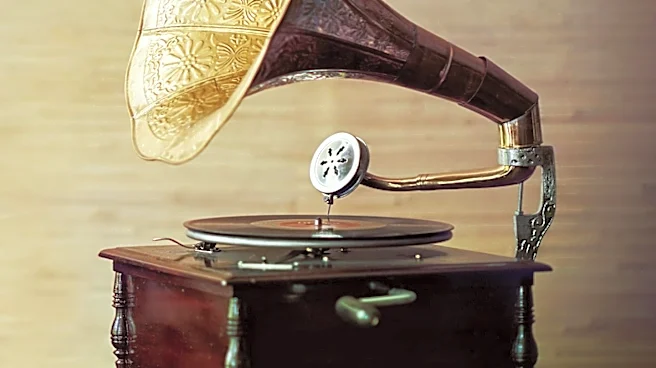
The Columbia Records contract allowed the Paul Winter Sextet to release several albums, documenting their early sound and style. Their discography from this period includes "The Paul Winter Sextet" (1961), "Jazz Meets the Bossa Nova" (1962), and "Jazz Premiere: Washington" (1963). These recordings captured the essence of the group's jazz interpretations and their engagement with contemporary musical trends, such as the bossa nova, which Paul Winter would later explore more deeply.
Breaking Barriers: The White House Performance
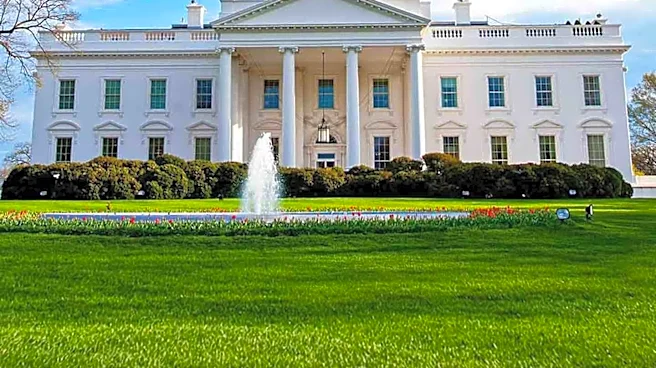
One of the most historic moments for the Paul Winter Sextet occurred on November 19, 1962, when they became the first jazz ensemble ever to perform at the White House. This performance was a significant cultural milestone, elevating jazz to a new level of national recognition and acceptance within the highest echelons of American society. It showcased the genre's artistic merit and its growing influence.
This landmark event not only cemented the Sextet's place in history but also highlighted the evolving perception of jazz music in the United States. Their White House appearance was a testament to their musical quality and their ability to represent American culture on a prominent stage. The album "Jazz Premiere: Washington" (1963) likely captured some of the spirit of this period, reflecting their growing prominence.
Cultural Ambassadors Abroad
Beyond their domestic achievements, the Paul Winter Sextet also served as cultural ambassadors for the U.S. State Department. In 1962, the year after their formation, the group embarked on an extensive tour of Latin America. This tour saw them perform an impressive 160 concerts across 23 countries, showcasing American jazz to a diverse international audience.
This diplomatic role underscored the power of music as a universal language and a tool for cultural exchange. The Sextet's performances helped to foster goodwill and introduce American jazz to new listeners, demonstrating the genre's global appeal. Their experiences during this tour, particularly in Latin America, also influenced Paul Winter's musical direction, deepening his interest in Brazilian music, which would become a significant aspect of his later work.