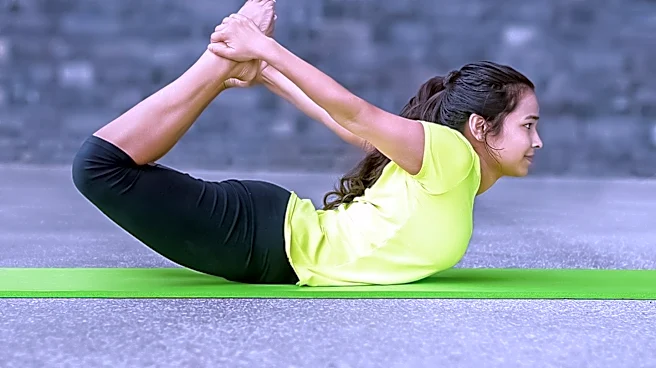


Bhekasana, commonly known as the Frog Posture, is a reclining asana practiced in modern yoga. This pose is one of several that aim to position the body in a shape reminiscent of a frog, with another notable example being Mandukasana. The name Bhekasana itself is derived from Sanskrit, where "Bheka" translates to frog, highlighting the visual inspiration behind the posture.
Entering the Frog Posture
The process of entering Bhekasana begins from a prone position, meaning lying
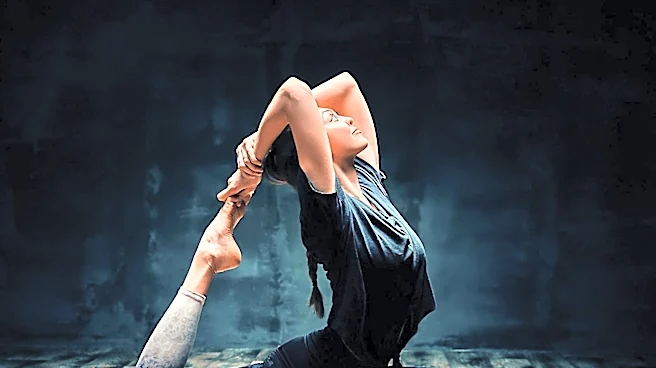
face down on the mat. From this starting point, the practitioner extends their arms backward. The knees are then bent, allowing the hands to reach back and grasp the feet. A key action in this pose involves pressing the feet downwards, which helps to deepen the stretch and engagement of the posture.
Once the feet are secured, the arms are reversed. This means that the elbows are directed upwards, while the fingertips point downwards. This specific arm positioning is crucial for the full expression of Bhekasana. Simultaneously, the head and chest are lifted from the floor, and the gaze is directed upwards. In the complete form of the pose, the feet are intended to reach the floor, indicating a significant degree of flexibility and openness in the hips and quadriceps.
Variations and Related Poses
While Bhekasana is a distinct posture, the concept of a "frog-like" shape is not unique in yoga. Mandukasana is another asana that also embodies this theme, suggesting a broader category of poses inspired by the amphibian. The existence of multiple "frog" poses indicates a recognition within yoga of the unique physical benefits and symbolic representations associated with this body shape.
These postures, including Bhekasana, are often categorized as reclining asanas due to their prone starting position and the way the body rests on the floor. The focus on bending the knees and bringing the feet towards the body, combined with the chest and head lift, creates a comprehensive stretch that targets various muscle groups, particularly in the front of the thighs and the hip flexors. The upward gaze further contributes to the overall extension of the spine and chest opening, making Bhekasana a multifaceted posture in the practice of modern yoga.