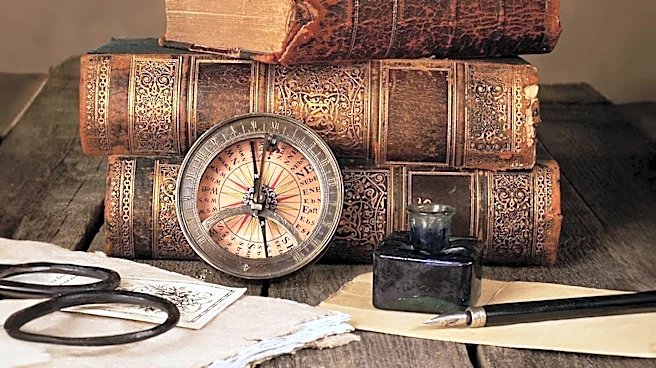









Antiquarian book collecting is a captivating pursuit that takes collectors on a journey through history. This specialized form of collecting focuses on books printed before 1900, offering a glimpse into the past and the evolution of the written word. Antiquarian collectors are drawn to the historical significance and unique characteristics of these books, making it a rewarding and enriching hobby.
The Allure of Antiquarian Books
Antiquarian books hold a special allure for collectors
due to their age, rarity, and historical value. These books, often printed in the 19th century or earlier, provide a tangible connection to the past. Collectors are fascinated by the craftsmanship and artistry involved in their creation, from the quality of the paper to the intricacy of the bindings.
The appeal of antiquarian books extends beyond their physical attributes. Each book tells a story, not only through its content but also through its provenance and the journey it has taken over the centuries. Collectors often seek out books with unique histories, such as those owned by notable figures or with inscriptions that offer a glimpse into the lives of past owners.
The Quest for Rare Editions
One of the most exciting aspects of antiquarian book collecting is the quest for rare editions. Collectors often focus on first editions, incunabula (books printed before 1501), and other significant printings. These books are highly sought after due to their scarcity and the insight they provide into the early days of printing.
The pursuit of rare books requires a keen eye and extensive knowledge of the field. Collectors must be able to identify authentic editions and assess their condition accurately. This expertise is crucial, as the value of antiquarian books can vary significantly based on factors such as rarity, condition, and historical importance.
Preserving History
Preservation is a key concern for antiquarian book collectors, as these books are often fragile and susceptible to damage. Proper storage and handling are essential to maintaining their condition and ensuring they can be enjoyed by future generations. Collectors may invest in protective measures, such as custom cases or climate-controlled environments, to safeguard their collections.
In addition to physical preservation, collectors play a vital role in preserving the cultural and historical significance of antiquarian books. By acquiring and maintaining these books, collectors help ensure that the knowledge and stories they contain are not lost to time. This commitment to preservation underscores the importance of antiquarian book collecting as a means of connecting with and preserving our shared history.
In conclusion, antiquarian book collecting is a journey through time, offering collectors the opportunity to engage with history in a meaningful way. Through their dedication to preserving these treasures, collectors contribute to the ongoing appreciation and understanding of the written word's rich legacy.