






Gothic fashion is a distinctive style that has evolved over time, drawing from various historical influences. Known for its dark, dramatic elements, Gothic fashion combines aspects of Victorian and Elizabethan styles with modern sensibilities. This article explores the historical development of Gothic fashion, highlighting its origins and the key influences that have shaped it into the unique style it is today.
Victorian and Elizabethan Influences
Gothic fashion finds its roots in the
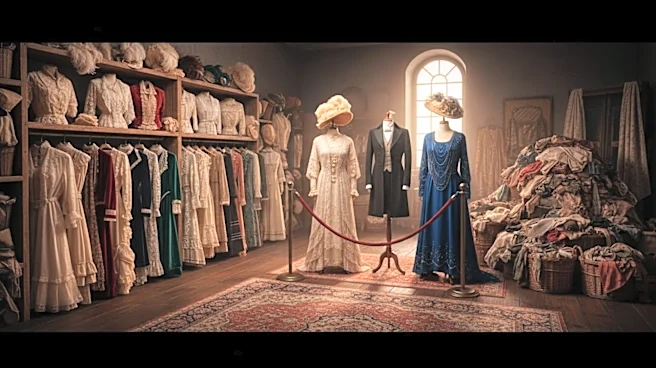
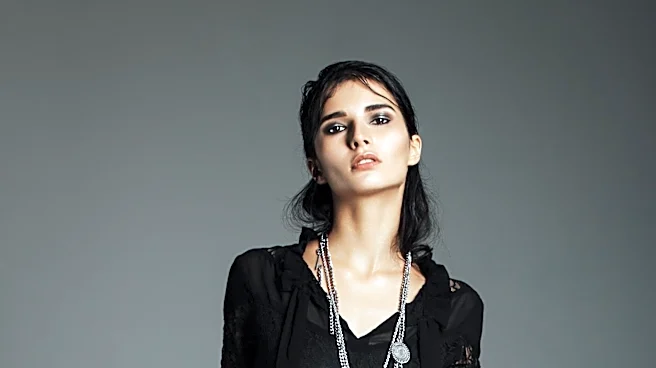
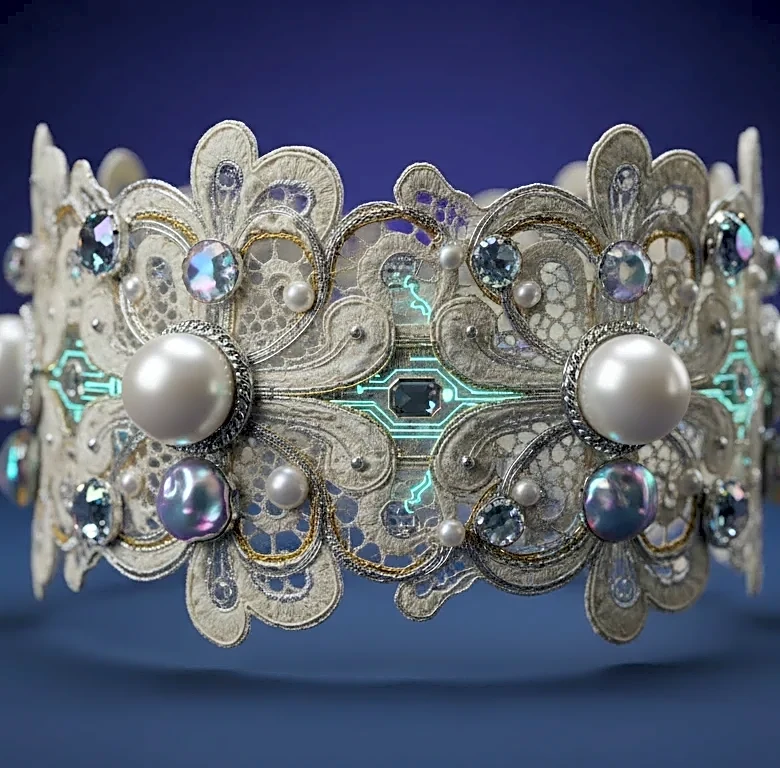
Victorian era, a time characterized by elaborate mourning attire. The Victorian cult of mourning introduced elements such as black velvets, lace, and corsets, which have become staples in Gothic fashion. These elements are often accessorized with silver jewelry depicting religious or occult themes, adding to the mysterious and eerie aesthetic that defines the style.
The Elizabethan era also contributed to the Gothic fashion palette, with its emphasis on dramatic silhouettes and intricate detailing. The use of fishnets, leather, and tightly laced corsets in Gothic fashion can be traced back to the elaborate costumes of the Elizabethan period. These historical influences have been reimagined in modern Gothic fashion, creating a style that is both nostalgic and contemporary.
The Rise of Gothic Subculture
The Gothic subculture emerged in the early 1980s, primarily as a music-based movement. It was heavily influenced by the post-punk scene in the United Kingdom, with bands like Bauhaus and Siouxsie and the Banshees leading the charge. The music of this era, characterized by its dark and moody tones, played a significant role in shaping the aesthetic of the Gothic subculture.
As the subculture grew, so did its fashion. Gothic fashion became a way for individuals to express their identity and connect with like-minded people. The style was not just about clothing; it was a lifestyle that encompassed music, literature, and art. This holistic approach to fashion and culture helped solidify Gothic fashion as a distinct and enduring style.
Modern Interpretations and Variations
Today, Gothic fashion continues to evolve, incorporating new elements while staying true to its roots. Variations such as Gothic Lolita and Cybergoth have emerged, each bringing a unique twist to the traditional Gothic style. Gothic Lolita, for example, combines the dark elements of Gothic fashion with the cute and frilly aspects of Lolita fashion, creating a look that is both eerie and adorable.
Cybergoth, on the other hand, blends Gothic fashion with elements of cyberpunk and rave culture. This style often features bright neon colors set against a black backdrop, with accessories like goggles and gas masks adding a futuristic touch. These modern interpretations demonstrate the versatility and adaptability of Gothic fashion, ensuring its continued relevance in the fashion world.