





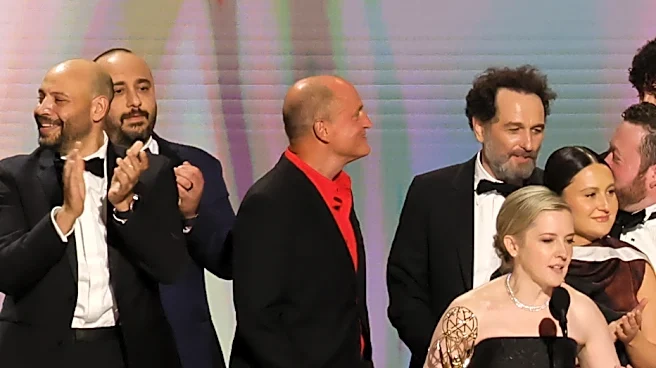

The 35th Primetime Emmy Awards, held on September 25, 1983, marked a significant moment for two iconic television comedies: "Cheers" and "M*A*S*H." While one was just beginning its journey to critical acclaim, the other was concluding a legendary run. The ceremony, co-hosted by Joan Rivers and Eddie Murphy from the Pasadena Civic Auditorium, saw 26 awards presented, but it was the narratives surrounding these two shows that offered a glimpse into
the past and future of television comedy.
"Cheers": From Low Ratings to Emmy Glory
"Cheers" made a remarkable impact at the 35th Primetime Emmys, despite its initial struggles with viewership. In its first season, the show was considered one of the lowest-rated programs on television. However, critical reception told a different story, as "Cheers" was widely acclaimed by critics. This critical praise translated into significant recognition at the awards, where it won the coveted Outstanding Comedy Series award. Beyond this top honor, "Cheers" also secured three other major awards, signaling a strong endorsement from the industry. This early success at the Emmys was a crucial turning point, demonstrating that critical appreciation could lead to significant accolades, even for a show that had yet to find a massive audience.
"M*A*S*H": A Farewell with Continued Recognition
The 35th Primetime Emmys also served as a poignant moment for the beloved series "M*A*S*H," which was in its final year of eligibility. The show, which had been a staple of television for over a decade, received another nomination for Outstanding Comedy Series. This nomination was particularly significant as "M*A*S*H" had been nominated every single year it was on the air, achieving an impressive record of 11 out of 11 nominations. Its sole victory in this category came in 1974, but its consistent presence among the nominees underscored its enduring quality and impact throughout its entire run.
A Shared Record of Excellence
The consistent nomination record of "M*A*S*H" set a high bar for television comedies. Its achievement of 11 consecutive nominations for Outstanding Comedy Series was a testament to its sustained excellence. Interestingly, this record would later be tied by "Cheers" a decade after the 35th Emmys. "Cheers" also went on to receive 11 out of 11 nominations during its run, ultimately securing four victories in the category. This shared historical footnote highlights the exceptional quality and lasting legacy of both series, demonstrating their profound influence on the landscape of television comedy and their consistent ability to captivate both critics and audiences over many years.