



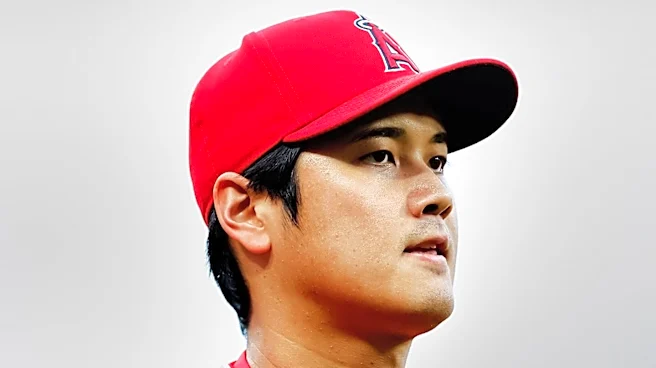


The Cy Young Award, named after the legendary Hall of Fame pitcher Cy Young, has been a prestigious accolade in Major League Baseball (MLB) since its introduction in 1956. Over the years, the award has undergone several changes, reflecting the evolving nature of the sport and its recognition of pitching excellence. This article delves into the historical development of the Cy Young Award, highlighting key changes and milestones.
The Early Years: A Singular Honor
When the Cy Young Award
was first introduced in 1956 by Baseball Commissioner Ford C. Frick, it was intended to honor the best pitcher in the major leagues. This singular award was a tribute to Cy Young, who had passed away in 1955, and it was initially given to only one pitcher across both the American and National Leagues. The first recipient of this honor was Don Newcombe of the Dodgers, setting a precedent for excellence in pitching.
During the early years, the award was limited by a rule that prevented pitchers from winning it more than once. This restriction was in place from 1956 to 1958, but it was soon eliminated in 1959, allowing pitchers to be recognized multiple times for their outstanding performances. This change marked the beginning of a more inclusive approach to acknowledging pitching talent.
Expansion to Both Leagues
A significant shift occurred in 1967, following the retirement of Commissioner Frick. Under the new Commissioner, William Eckert, the award was expanded to recognize one pitcher from each league, the American League (AL) and the National League (NL). This change was largely driven by fan requests and marked a new era in the award's history, allowing for a broader recognition of pitching talent across MLB.
The expansion to both leagues also introduced a new voting process. Initially, writers voted for the best pitcher using a simple point system. However, after a tie in the 1969 voting, the process was revised to allow writers to vote for three pitchers, with a weighted point system determining the winner. This system has evolved over the years, but the core principle of recognizing the best pitchers in each league remains.
Modern Era and Notable Achievements
In the modern era, the Cy Young Award has continued to evolve, with changes in the voting process and the criteria for selection. As of the 2010 season, voters place votes for first through fifth place, with a weighted formula determining the final scores. This comprehensive approach ensures that the award reflects a consensus among baseball writers.
Throughout its history, the Cy Young Award has recognized numerous legendary pitchers. Roger Clemens holds the record for the most wins, with seven awards to his name. The award has also seen its share of unique achievements, such as R.A. Dickey becoming the first knuckleball pitcher to win in 2012 and Mike Marshall being the first relief pitcher to win in 1974.
The Cy Young Award remains a symbol of pitching excellence in MLB, honoring the legacy of Cy Young while adapting to the changing landscape of the sport. Its evolution reflects the dynamic nature of baseball and the ongoing quest to celebrate the best in the game.