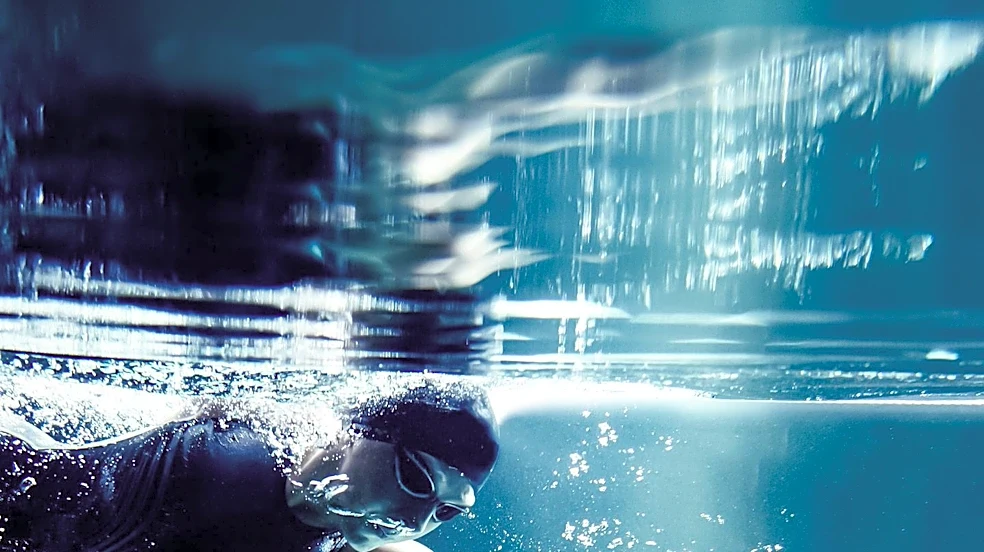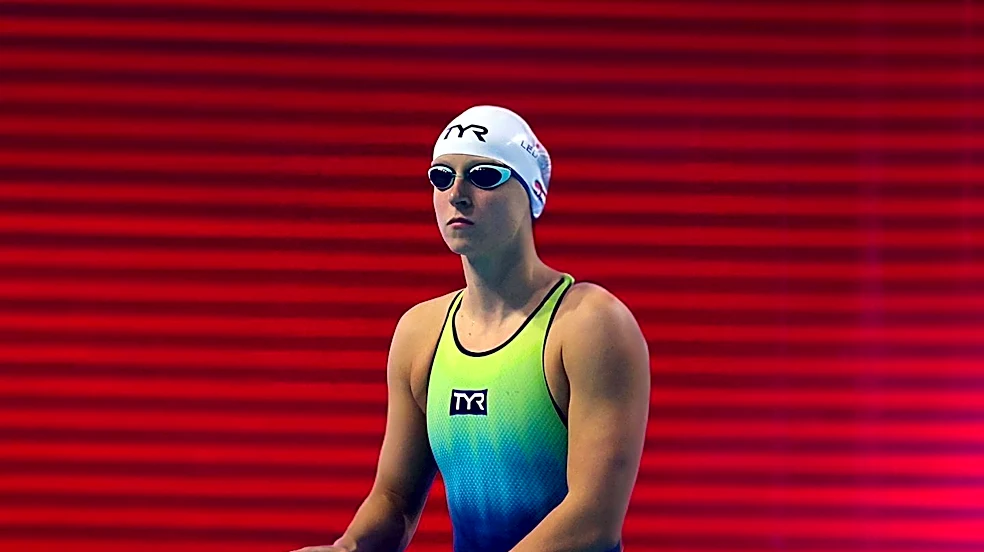




The 1968 Summer Olympics, held in Mexico City, marked a significant period of expansion and evolution for the swimming program, particularly concerning women's events. This edition of the Games saw the introduction of several new opportunities for female athletes, reflecting a growing recognition of women's capabilities in competitive swimming. Among these pivotal changes was the debut of the women's 200-meter freestyle and the women's 200-meter butterfly,
events that would go on to become staples in subsequent Olympic competitions. These additions not only broadened the scope of women's swimming but also provided new platforms for athletes to achieve Olympic glory.
The Debut of Women's 200-Meter Freestyle
Prior to 1968, the 200-meter freestyle event had a sporadic history in the Olympics, appearing for men in 1900 and 1904 before a long hiatus. However, the Mexico City Games brought this event back, and for the first time ever, it was included for women. This marked a crucial step in expanding the women's freestyle program beyond shorter and longer distances. The introduction of the women's 200-meter freestyle meant that female swimmers now had a middle-distance freestyle option, requiring a unique blend of speed and endurance. This event quickly became a highly anticipated race, showcasing the talent and competitive spirit of female athletes on the global stage.
The Inaugural Women's 200-Meter Butterfly
In parallel with the 200-meter freestyle, the 1968 Olympics also introduced the women's 200-meter butterfly event. This was another historic first for women's swimming. The butterfly stroke, known for its demanding technique and power, had previously been contested by women at shorter distances. The addition of the 200-meter butterfly provided a new challenge, requiring sustained effort and precise execution over four lengths of the 50-meter Olympic pool. The inclusion of this event underscored the increasing athleticism and specialization within women's swimming, allowing athletes to demonstrate their mastery of one of the most technically challenging strokes.
The Venue and Competition Landscape
Both the women's 200-meter freestyle and 200-meter butterfly events at the 1968 Summer Olympics took place at the Alberca Olímpica Francisco Márquez. This state-of-the-art facility provided the stage for these historic competitions. The 200-meter butterfly event, for instance, saw 21 competitors from 16 nations vying for medals, highlighting the international interest and participation in these newly introduced events. The competitive environment was intense, with athletes pushing the boundaries of performance in these fresh Olympic categories. The success and excitement generated by these events solidified their place in future Olympic programs, ensuring that women would continue to have these opportunities.
Lasting Impact on Olympic Swimming
The decisions made at the 1968 Summer Olympics regarding women's swimming events had a lasting impact. The 200-meter freestyle, once reintroduced for men and debuted for women, has remained a continuous part of the Olympic program ever since. Similarly, the women's 200-meter butterfly has continued to be a featured event. These introductions were not isolated incidents but part of a broader trend towards a more comprehensive and inclusive Olympic swimming schedule. They paved the way for future expansions and ensured that women's swimming continued to grow in prominence and competitive depth at the highest level of international sport.