






Hydroquinone is a well-known compound in the world of dermatology, particularly for its use in skin-lightening products. This white solid is primarily used to reduce the appearance of hyperpigmentation by inhibiting melanin production in the skin. While it has been a popular choice for those seeking to lighten their skin tone, its use is not without controversy and regulation.
Understanding Hydroquinone's Mechanism
Hydroquinone works by interfering with the tyrosine-tyrosinase pathway of
melanin synthesis. This pathway is crucial for the production of melanin, the pigment responsible for skin color. By inhibiting this process, hydroquinone effectively reduces the formation of melanin, leading to a lighter skin tone. This mechanism makes it a potent agent for treating conditions like melasma, freckles, and age spots.
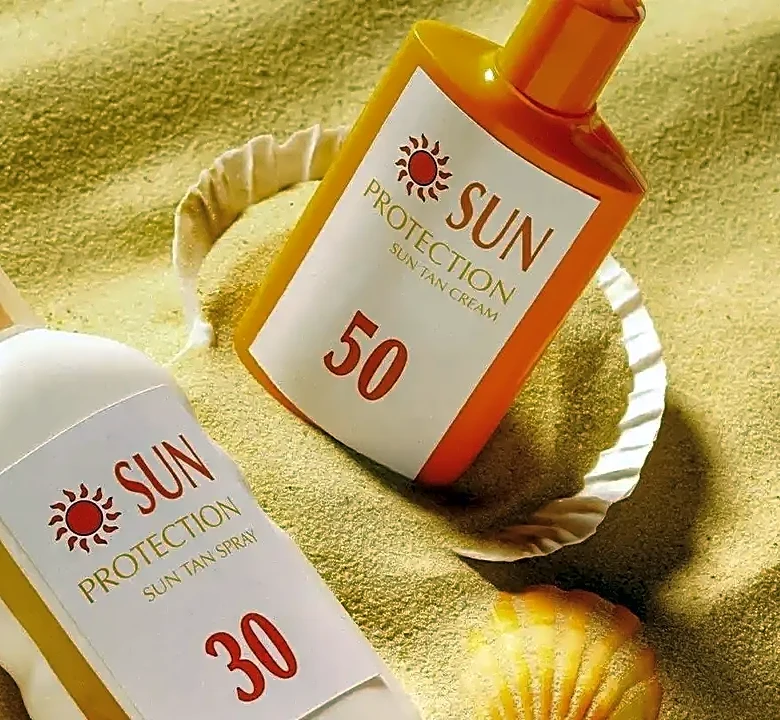
The compound's ability to lighten skin was first noted in the 1930s, and by the 1950s, it was included in sunscreen formulations in the southern United States. Its skin-lightening effects were initially observed as a side effect, but it soon became a targeted treatment for hyperpigmentation. Despite its effectiveness, hydroquinone's use is regulated in many countries due to potential side effects and health concerns.
Regulatory Concerns and Safety
In the United States, the Food and Drug Administration (FDA) has had a complex relationship with hydroquinone. Initially classified as generally recognized as safe and effective (GRASE), the FDA later revoked its approval for over-the-counter use in 2006, citing concerns about its potential carcinogenicity. Studies have shown that hydroquinone can cause ochronosis, a condition where blue-black pigments are deposited in the skin, and there are concerns about its long-term safety.
In response to these concerns, the FDA banned over-the-counter hydroquinone products in 2020. This decision was part of a broader reform of the over-the-counter drug review process. Despite these regulations, hydroquinone remains a prescription-only treatment in the U.S. and is still widely used under medical supervision.
Alternatives and Future Directions
Given the safety concerns associated with hydroquinone, there is ongoing research into alternative skin-lightening agents. Some of these alternatives include azelaic acid, kojic acid, and retinoids, which offer similar benefits without the associated risks. These compounds are being explored for their ability to inhibit melanin production safely.
One promising alternative is 4-butylresorcinol, which has been shown to be more effective than hydroquinone in treating melanin-related skin disorders. It is also considered safe enough for over-the-counter use. As research continues, the dermatological community remains hopeful for safer and more effective treatments for hyperpigmentation.