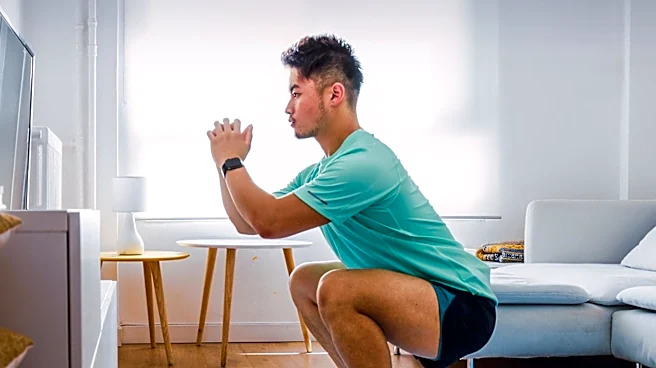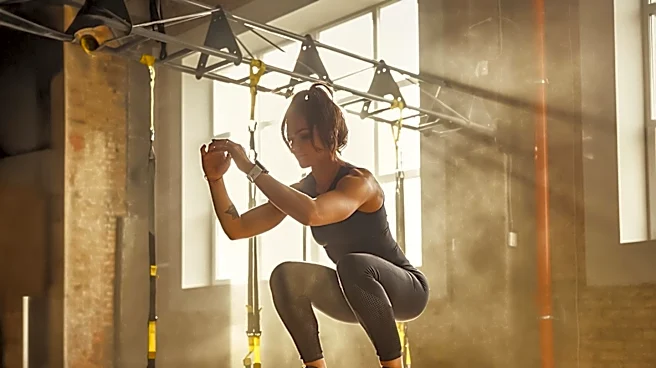

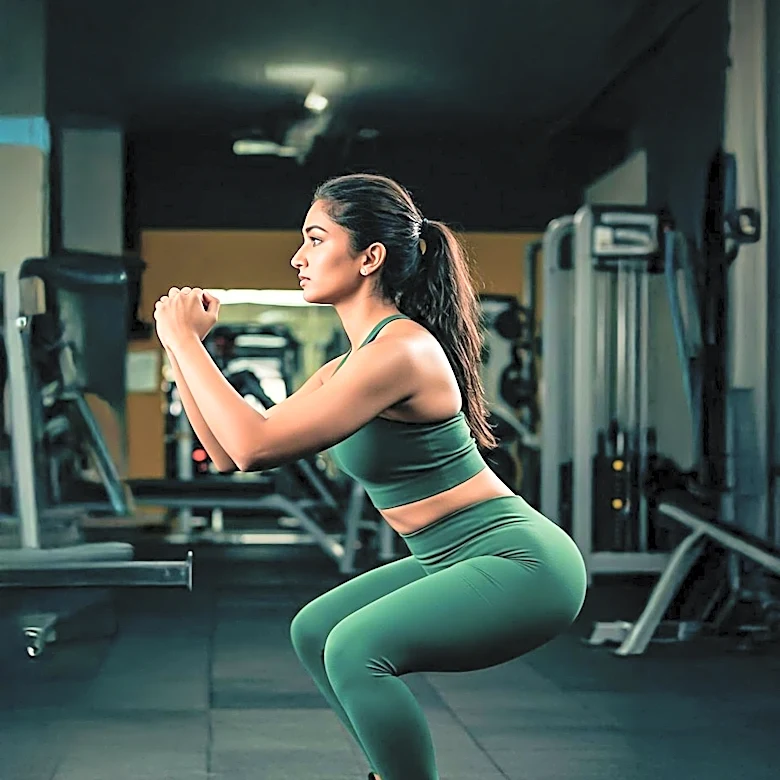

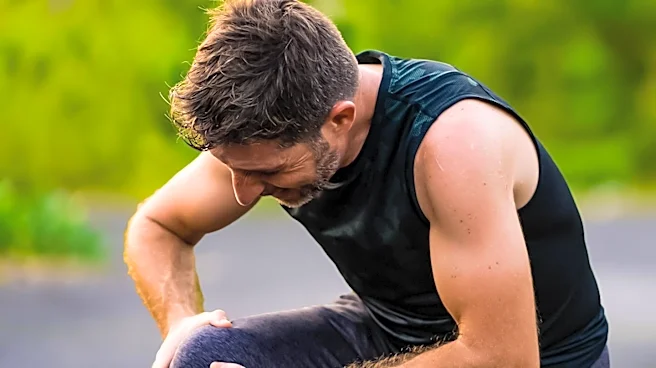
The pistol squat is a dynamic and challenging one-legged squat that serves as a full-body exercise. This movement primarily targets and strengthens the muscles of the thighs, hips, and buttocks. Beyond muscle development, it also contributes to the strengthening of bones, ligaments, and the insertion of tendons throughout the lower body, making it a highly effective exercise for overall lower body health and performance. Its complexity and effectiveness
have led to its inclusion in various high-level fitness routines.
Core Musculature and Benefits
The primary focus of the pistol squat is on the major muscle groups of the lower body. The quadriceps, hamstrings, and glutes are all heavily engaged during the execution of this exercise. The unilateral nature of the pistol squat means that each leg works independently, which can help to identify and correct muscular imbalances between the left and right sides of the body. This independent work also demands significant core stability to maintain balance throughout the movement.
Beyond muscle building, the pistol squat offers substantial benefits for connective tissues and skeletal health. The controlled movement and load placed on a single leg help to strengthen the ligaments and tendons surrounding the knee and hip joints. This can contribute to improved joint stability and resilience, potentially reducing the risk of injury in other physical activities. Furthermore, the weight-bearing nature of the exercise can stimulate bone density, which is crucial for long-term skeletal health.
The Pistol Squat in Competitive Fitness
The demanding nature of the pistol squat makes it a staple in advanced strength and conditioning programs, particularly in competitive fitness events. For instance, the CrossFit Games, a prominent international fitness competition, has featured weighted pistol squats as part of its challenging routines. This inclusion highlights the exercise's role as a benchmark for strength, balance, and mobility among elite athletes.
In the 2013 CrossFit Games, for example, the event known as "The Cinco 1" included weighted pistol squats. Male athletes were required to perform five weighted pistol squats per leg, using a 53-pound weight, while female athletes used a 35-pound weight for the same number of repetitions. This demonstrates that the pistol squat, especially when weighted, is considered a high-level test of an athlete's functional strength and coordination, pushing the limits of their physical capabilities in a competitive setting.
Cultural Context and Photographic Poses
While primarily recognized as an exercise, the term "pistol squat" also has a cultural dimension, particularly in Western contexts. It is sometimes used to describe a variant of the "Asian squat," often appearing in photographic poses. These poses, such as the "rap squat," "prison pose," and "jail pose," are visual representations that share a similar body position to the pistol squat, albeit often without the same athletic intent.
These cultural interpretations showcase how a physical posture can transcend its original purpose and become integrated into broader societal expressions, including popular culture and visual arts. The adoption of such poses for photographic purposes suggests an aesthetic or symbolic appeal, distinct from the rigorous physical training associated with the exercise itself. This dual identity underscores the versatility of the squatting position in both athletic and cultural realms.