





The 1952 Major League Baseball All-Star Game holds a special place in baseball history due to its unique conclusion. Held on July 8, 1952, at Shibe Park in Philadelphia, Pennsylvania, this game was unlike any other All-Star Game before or since. The National League emerged victorious with a 3–2 win, but the game was called early due to rain, marking the only time an All-Star Game has ended this way. This article delves into the circumstances surrounding
this memorable event.
The Setting and Teams
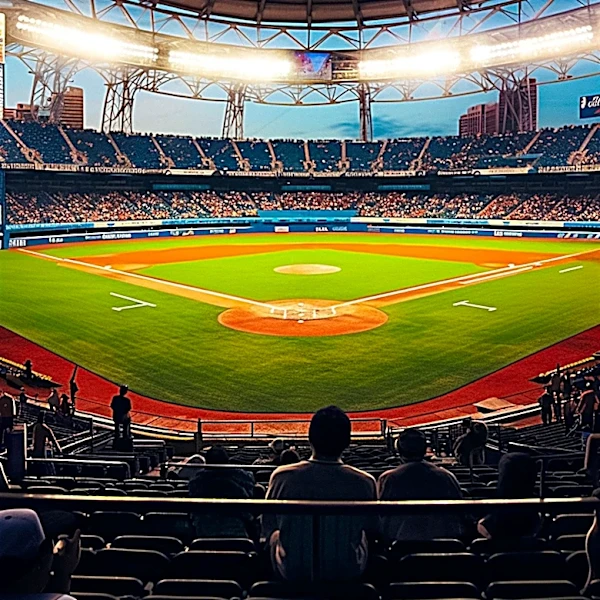
The 1952 All-Star Game was hosted by the Philadelphia Phillies at Shibe Park, a venue known for its rich baseball history. This game was the 19th edition of the All-Star Game, a tradition that brought together the best players from the American and National Leagues. Fans eagerly anticipated the matchup, as it featured some of the most talented players of the era.
The National League team, which ultimately won the game, was composed of standout players who had proven themselves throughout the season. The American League team, equally formidable, was determined to showcase their skills and claim victory. The stage was set for an exciting contest, with both teams eager to demonstrate their prowess on the field.
The Game and Its Unusual Conclusion
As the game unfolded, both teams displayed exceptional skill and competitiveness. The National League took an early lead, but the American League fought back, keeping the score close. The game was a showcase of talent, with players from both leagues delivering impressive performances.
However, as the game progressed, the weather took a turn for the worse. Rain began to fall, and conditions on the field deteriorated. Despite efforts to continue play, the rain persisted, making it increasingly difficult for the game to proceed safely. Ultimately, the decision was made to call the game early, with the National League leading 3–2. This marked the first and only time an All-Star Game was ended prematurely due to weather.
Legacy and Impact
The 1952 All-Star Game is remembered not only for its competitive play but also for its unusual conclusion. The decision to call the game due to rain was unprecedented, and it highlighted the challenges of outdoor sports events. Despite the early ending, the game remains a significant part of baseball history, illustrating the unpredictability of the sport.
This game also underscored the importance of player safety and the need for contingency plans in the face of adverse weather conditions. The 1952 All-Star Game serves as a reminder of the many factors that can influence the outcome of a sporting event, beyond the skills and strategies of the players involved.