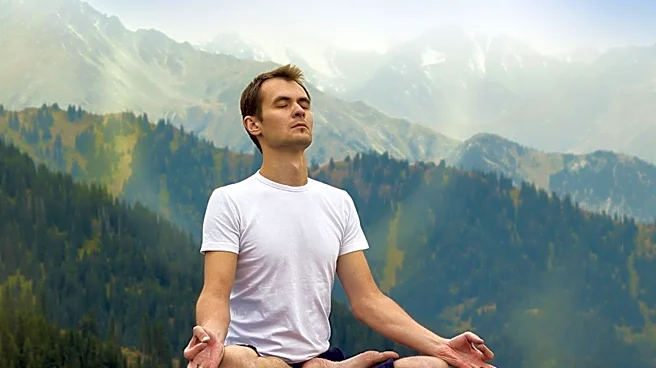








The Lotus position, known in Sanskrit as Padmasana, is a cross-legged sitting meditation pose that originated in ancient India. This foundational asana, or posture, predates even Hatha yoga and holds significant cultural and spiritual importance. It is widely adopted for meditation across various traditions, including Hindu, Tantra, Jain, and Buddhist practices. The pose has transcended its origins to become a global symbol of healthy living and well-being,
recognized in Western culture for its association with meditation and yoga.
Origins and Traditional Use
The Lotus position is deeply rooted in ancient Indian spiritual traditions. Its use as a meditation posture is evident in the depictions of revered figures such as Shiva, the meditating ascetic God of Hinduism, and Gautama Buddha, the founder of Buddhism. The Tirthankaras in Jainism are also frequently shown in this iconic pose, particularly in statues. This widespread representation underscores the pose's long-standing association with spiritual practice, contemplation, and enlightenment across these diverse religious and philosophical systems.
The pose's name, Padmasana, directly translates to "Lotus position," reflecting the imagery of a lotus flower, which often symbolizes purity, spiritual awakening, and rebirth in many Eastern cultures. The physical act of forming the pose, with each foot placed on the opposite thigh, creates a stable and symmetrical base that is conducive to prolonged periods of stillness and inward focus, essential elements of meditation.
Achieving the Position and its Variations
To enter the Lotus position, one typically starts from a simple cross-legged sitting posture, known as Sukhasana. From there, one foot is carefully placed on top of the opposite thigh, with the sole facing upward and the heel positioned close to the abdomen. The other foot is then placed on the remaining thigh, aiming for as much symmetry as possible. This posture demands "very open hips," indicating a significant degree of flexibility required for comfortable and safe execution.
For those who find the full Lotus position challenging, several variations exist. The Half Lotus, or Ardha Padmasana, is an easier alternative where one leg is bent and rests on the ground, while the other leg is bent with the foot placed in the lotus position on the opposite thigh. Other advanced variations of various asanas, such as the yoga headstand (Sirsasana) and shoulderstand (Sarvangasana), can incorporate the legs in either the full or half lotus position, demonstrating the versatility and foundational nature of the leg placement. The pose can be modified with supports like cushions or blankets, which can help tilt the pelvis forward by sitting on the forward edge, making the position more accessible.
Cultural Impact and Modern Relevance
The Lotus position's emblematic status extends beyond its spiritual and physical benefits. It has become a powerful symbol in both Asian art and Western culture. In Asian art, it frequently signifies the meditative state and spiritual attainment of deities and enlightened beings. In the West, it has been adopted as a recognizable symbol of yoga, meditation, and a broader commitment to healthy living and overall well-being. This widespread recognition highlights its enduring appeal and its role in promoting mindfulness and physical health in contemporary society.
Despite its benefits, it's important to note that the pose can be uncomfortable for individuals unaccustomed to sitting on the floor. Attempts to force the legs into position without adequate flexibility can potentially lead to knee injuries, emphasizing the importance of gradual progression and listening to one's body when practicing this ancient and revered posture.