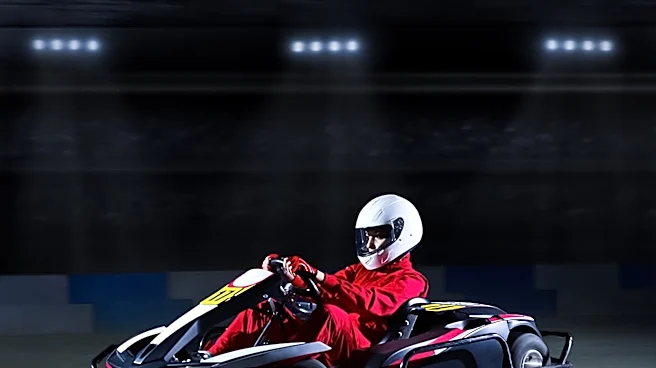






Kart racing, often referred to as karting, has grown from humble beginnings into a globally recognized motorsport. This article delves into the history of kart racing, tracing its development from a grassroots activity in Southern California to a worldwide competitive sport. With its unique blend of accessibility and high-speed thrills, kart racing has become a stepping stone for many professional drivers.
Origins in Southern California
Kart racing began in the 1950s in Southern
California, where American race-car builder Art Ingels is credited with creating the first kart. Ingels, who worked for Kurtis Kraft, built the first kart in 1956 in Glendale, California, alongside Lou Borelli. This early kart, known as the Caretta-West Bend, featured a simple tubular frame and a small two-stroke engine. Initially, these karts were driven in car parks, including at the Rose Bowl Stadium in Pasadena, before organized racing events emerged.
The sport quickly gained popularity in the United States, spreading from California to other regions. Early karts often used engines adapted from lawnmowers, chainsaws, or motorcycles, but as the sport grew, dedicated kart engines became more common. By the 1960s, manufacturers in the U.S. and Europe began producing specialized kart chassis and engines, further fueling the sport's growth.
International Expansion
As kart racing gained traction in the United States, it also began to spread internationally. The sport reached Europe in the late 1950s and early 1960s, where it quickly took hold. Italian manufacturers became particularly prominent in the production of kart engines and chassis, contributing to the sport's development on the continent.
The first Karting World Championship was held in 1964, marking a significant milestone in the sport's international expansion. This event, organized under the international karting structure that later became associated with the Commission Internationale de Karting, helped establish kart racing as a legitimate motorsport. European-level competition also developed during this period, with the European Nations' Cup and later individual European Championship competitions.
Modern Kart Racing
Today, kart racing is a global phenomenon, with competitions held at international, national, and regional levels. The sport is governed by the Fédération Internationale de l'Automobile through FIA Karting, which oversees international regulations and championships, including the prestigious Karting World Championship.
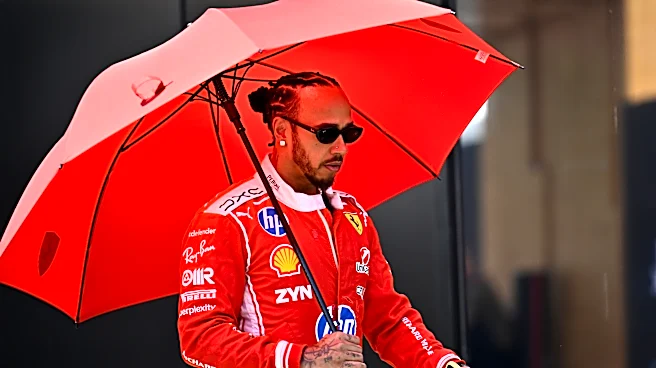
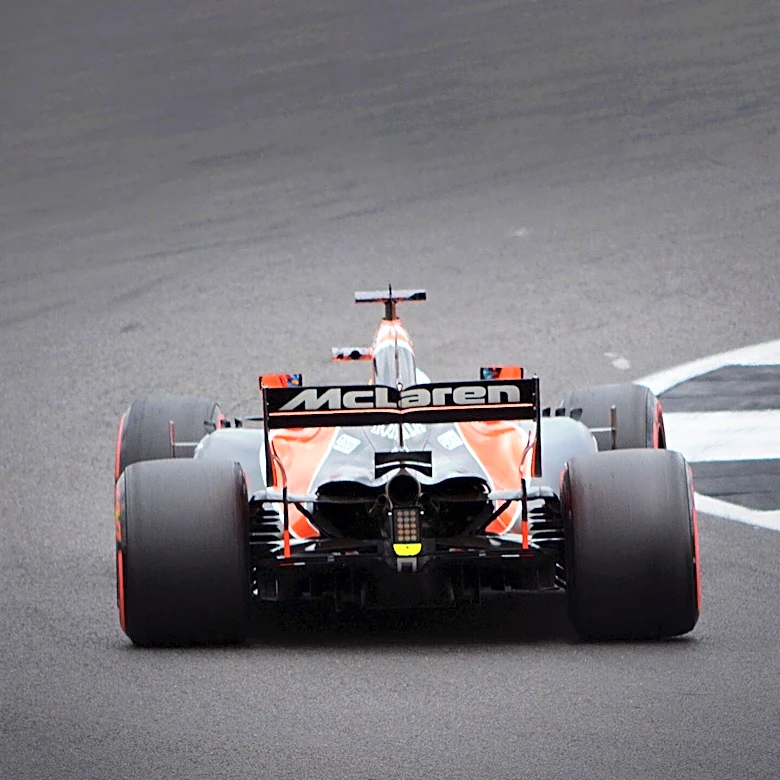
Kart racing is practiced both recreationally and competitively, with various formats such as sprint, endurance, and speedway racing. It serves as an early development category for drivers aspiring to progress into higher levels of car racing, with many Formula One drivers, including Ayrton Senna and Lewis Hamilton, having started their careers in karting. Despite its role as a stepping stone, kart racing remains a competitive discipline in its own right, attracting enthusiasts and professionals alike.