





In 1926, Firestone Tire and Rubber Company made a significant move by establishing one of the world's largest rubber plantations in Liberia, West Africa. This strategic decision not only ensured a steady supply of rubber for the company but also had far-reaching implications for Liberia and the global rubber industry. This article delves into the establishment, operations, and controversies surrounding Firestone's Liberian plantation.
Establishment of the Plantation
The establishment
of the Liberian rubber plantation was driven by the need for a reliable source of rubber, a vital resource for tire manufacturing. At the time, the United States faced restrictions on rubber access due to European colonial monopolies. Firestone's founder, Harvey Firestone, saw an opportunity in Liberia, where the government granted a 99-year lease for one million acres at a nominal price.
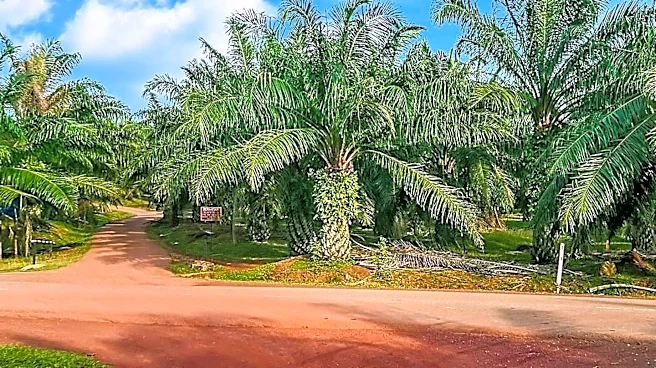
Firestone's experts conducted soil surveys and determined that Liberia was suitable for rubber cultivation. The plantation was set up with the non-native South American rubber tree, Hevea brasiliensis, and quickly became the largest rubber plantation globally. This move not only secured Firestone's supply chain but also positioned the company as a dominant player in the rubber industry.
Economic and Social Impact
The establishment of the plantation had significant economic and social impacts on Liberia. Firestone's operations displaced local communities, altering settlements and land use. The company provided employment opportunities, but the working conditions and wages were often criticized. Firestone's influence extended beyond the plantation, affecting Liberia's economy and governance.
The plantation model introduced by Firestone resembled the company town concept, where Firestone controlled various aspects of employees' lives, including education and healthcare. This model was seen as a form of development, but it also led to protests over low wages and inadequate housing.
Controversies and Legacy
Firestone's Liberian operations were not without controversy. The company's practices were scrutinized for their impact on local communities and the environment. During the Great Depression, Firestone reduced its plantation development, affecting Liberia's tax revenues and leading to tensions with the government.
Despite these challenges, Firestone's Liberian plantation remains a significant part of the company's legacy. It represents both the global reach of Firestone and the complexities of international business operations. The plantation's history is a reminder of the intricate balance between corporate interests and local impacts.
Firestone's Liberian rubber plantation is a testament to the company's global ambitions and its role in shaping the rubber industry. While it brought economic benefits, it also highlighted the challenges of balancing corporate growth with social responsibility.