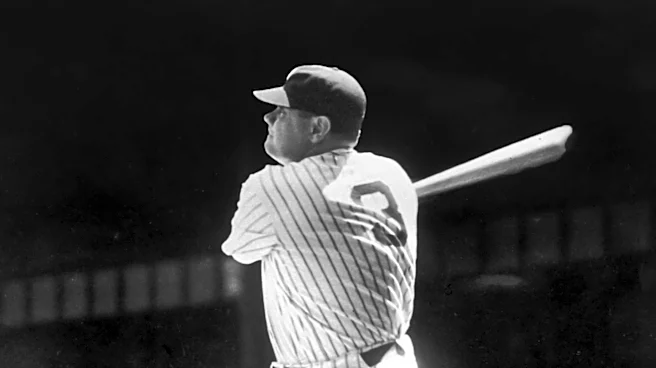





On October 3, 1951, a single swing of the bat by New York Giants outfielder Bobby Thomson created one of baseball's most legendary moments, forever etched into sports history as the "Shot Heard 'Round the World." This game-winning, walk-off home run against Brooklyn Dodgers pitcher Ralph Branca secured the National League pennant for the Giants in a dramatic playoff series. The phrase quickly became the most popular epithet for Thomson's homer, symbolizing
not just a victory, but a moment of improbable triumph that captivated a nation and continues to resonate decades later.
The Defining Moment of a Career
Bobby Thomson's career, while respectable, is almost entirely defined by this one swing. Despite achieving eight 20-home-run seasons and earning three All-Star selections, these significant accomplishments are largely overshadowed by the "Shot." Thomson himself acknowledged its profound impact, stating towards the end of his life, "It was the best thing that ever happened to me. It may have been the best thing that ever happened to anybody." This sentiment highlights how deeply intertwined his identity became with that single, iconic moment.
The home run occurred in the bottom of the ninth inning with one out, two runners on base, and the Giants trailing by two runs. Thomson's ability to deliver under such immense pressure solidified his place in baseball lore. The game's dramatic conclusion, with the Giants winning 5-4, was the culmination of a fierce rivalry and an incredible comeback, making the "Shot" a symbol of unexpected victory.
Cultural Resonance and Media Portrayal
The immediate aftermath of the home run saw widespread media attention, cementing its place in popular culture. The day after the game, the New York Daily News famously ran a front-page recap under the headline, "The Shot Heard 'Round the Baseball World." The New York Times also contributed to its legend, calling it "the home run heard round the world." These phrases quickly merged in the public consciousness, ensuring the event's lasting fame.
Sportswriters captured the essence of the moment with vivid prose. Red Smith of the New York Herald Tribune titled his October 4 column "The Miracle of Coogan's Bluff" and began with what has been called "the greatest lede ever written": "Now it is done. Now the story ends. And there is no way to tell it. The art of fiction is dead. Reality has strangled invention. Only the utterly impossible, the inexpressibly fantastic, can ever be plausible again." Shirley Povich of The Washington Post similarly remarked that even "Hollywood's most imaginative screenwriters on an opium jag could not have imagined a more improbable windup."
Enduring Memories and Artifacts
The impact of the "Shot" extended far beyond the immediate game, creating lasting memories for those who witnessed it, even from afar. Decades later, Thomson received a letter from a Marine who had been stationed in Korea in 1951, listening to the game on the radio. The Marine recounted how his buddy, a Giants fanatic who never made it home, considered that moment the happiest of his life. This poignant anecdote underscores the deep emotional connection people had to the event.
Artifacts from this historic moment are preserved, further solidifying its legacy. Thomson's game bat and shoes are central to an exhibit dedicated to the "Shot" at the National Baseball Hall of Fame and Museum, reportedly one of its most popular attractions. While the exact location of the home run ball remains unknown, the jersey Thomson wore during the game is believed to be in a private collection, with strong evidence suggesting it was indeed the one worn for the legendary hit. These tangible links help keep the story alive for new generations.