







Action fiction stands as a prominent genre in literature, distinguished by its unwavering focus on high-stakes, high-energy, and fast-paced narratives. This genre is designed to immerse readers in a world where events unfold rapidly, demanding quick resolutions and constant engagement. Unlike genres that delve into the complexities of human emotion or philosophical debates, action fiction prioritizes an exhilarating experience, often through the lens
of suspense and conflict. It encompasses a broad spectrum of storytelling, from the clandestine operations of spies to the perilous journeys of adventurers, all united by their commitment to dynamic plotlines.
Defining Characteristics of Action Fiction
At its heart, action fiction is about movement and momentum. The stories are crafted to keep readers on the edge of their seats, eager to discover what happens next. This is achieved through the strategic use of suspense, a narrative device that builds tension by making the reader intensely curious about the outcome of a central conflict or the solution to a mystery. Whether it's the protagonist facing off against an antagonist or unraveling a complex puzzle, the driving force is the desire to see the resolution.This genre typically sidesteps deep explorations of human relationships, intricate philosophical questions, or profound psychological insights. Instead, it streamlines the narrative to focus on the immediate challenges and the protagonist's efforts to overcome them. The goal is not introspection but rather an outward-facing journey filled with peril and excitement, providing a direct and unadulterated sense of adventure.
Diverse Subgenres and Their Focus
Action fiction is not a monolithic genre but rather a rich tapestry woven from various subgenres, each offering its unique flavor of excitement. Spy novels, for instance, plunge readers into worlds of espionage, secret missions, and international intrigue, often featuring cunning agents and high-tech gadgets. Adventure stories, on the other hand, transport audiences to exotic locales, where heroes embark on quests, face natural dangers, and discover hidden treasures.Tales of terror, while often overlapping with horror, can also fall under the action umbrella when the focus is on the protagonist's active struggle against a terrifying force rather than purely psychological dread. Intrigue, sometimes referred to as "cloak and dagger" stories, emphasizes deception, secret plots, and political maneuvering. Mysteries, particularly those with a fast pace and significant physical challenges for the detective, also align with action fiction's core tenets, as the resolution of the mystery often involves high-stakes confrontations.
Beyond the Written Word: Action Across Media
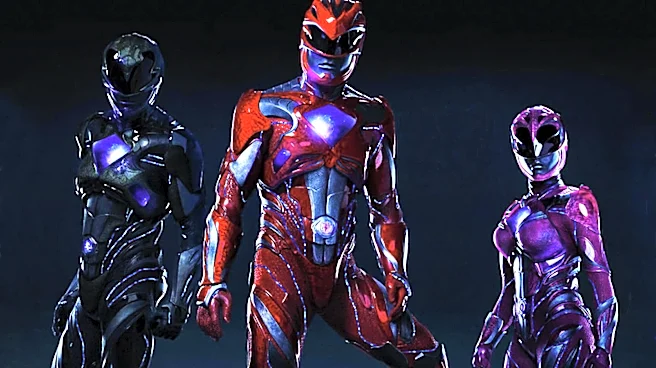
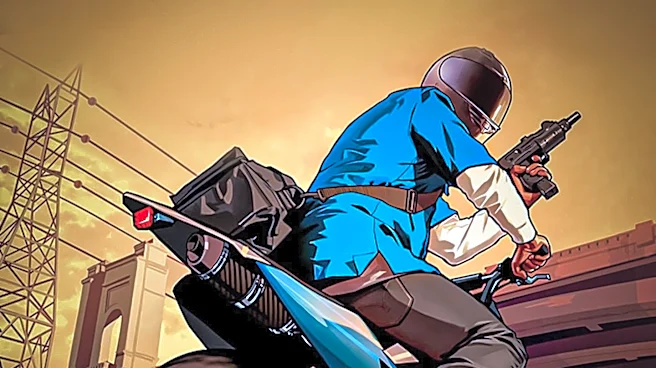
While originating in literature, the principles of action fiction extend far beyond books. It serves as a crucial plot element in various non-literary works, demonstrating its versatility and broad appeal. Graphic novels, for example, frequently employ action-packed sequences and high-energy narratives, using visual storytelling to enhance the genre's inherent dynamism. Films are another prominent medium where action fiction thrives, with action films being a cornerstone of the cinematic landscape.The genre's influence is also evident in comic books, manga, anime, and action television series. Furthermore, the world of action games heavily relies on the genre's emphasis on exciting sequences, often allowing players to directly engage in car chases, hand-to-hand combat, and other thrilling scenarios. This widespread adoption across different media underscores the universal appeal of fast-paced, high-stakes storytelling.